
Music Venue Booking Agent Fees: What Artists Actually Pay in 2026
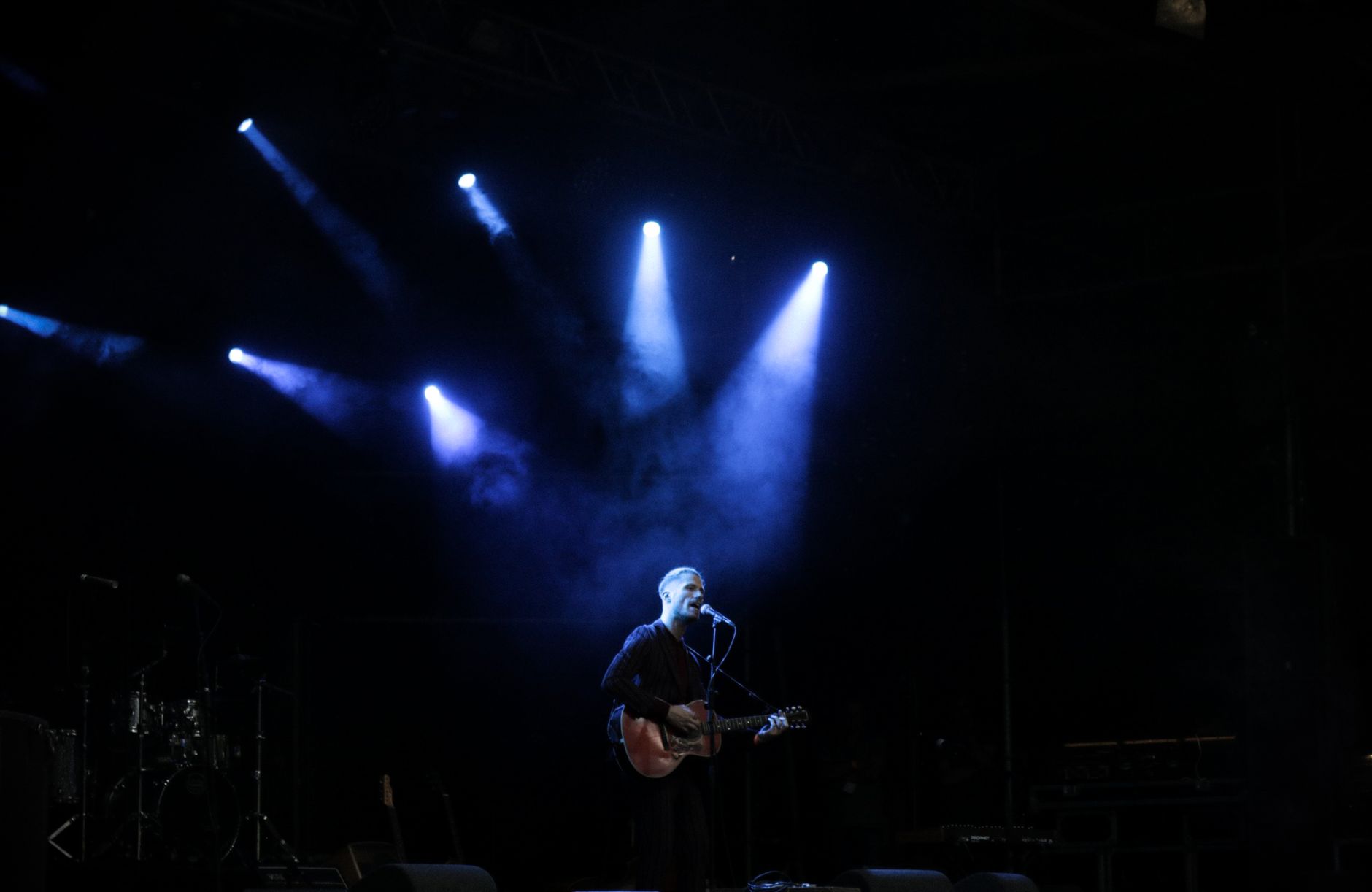
The live music industry is experiencing a seismic shift in 2026. With touring revenue now accounting for nearly 75% of most artists’ income—up from 60% just three years ago—understanding music venue booking agent fees has never been more critical. As concert ticket prices continue climbing and fans demand more intimate venue experiences, artists at every level are questioning whether they’re paying fair rates for booking representation. The truth? Most musicians don’t fully understand what they’re paying for until they’ve already signed the contract.
Whether you’re an emerging artist booking your first regional tour or an established act renegotiating representation, knowing the ins and outs of booking agent fees can mean the difference between a profitable tour and one that barely breaks even. Let’s pull back the curtain on what these fees actually look like in today’s market.
What Are Music Venue Booking Agent Fees?
Music venue booking agent fees are commissions paid to agents who secure live performance opportunities on behalf of artists. These professionals act as intermediaries between musicians and venues, negotiating everything from performance fees to technical riders, hospitality requirements, and promotional support.
The standard commission structure has remained relatively consistent over the years, but the services bundled into those fees have evolved dramatically. Today’s booking agents don’t just make phone calls—they’re strategists who analyze market data, coordinate routing logistics, and leverage relationships with venue talent buyers to maximize their clients’ earning potential.
The typical fee structure works like this:
- Commission-based: Agents take a percentage of the gross performance fee (the total amount the venue pays)
- Flat fee arrangements: Less common, but some agents charge fixed rates for specific services
- Hybrid models: Combining lower commissions with additional service fees for marketing, routing, or contract administration
What surprises many artists is that these fees are calculated on the gross amount before expenses. If a venue pays $5,000 for your performance and your agent takes 15%, that’s $750 off the top—before you’ve paid for travel, accommodations, crew, or equipment.
Standard Commission Rates in 2026
The booking agent fee landscape has stratified significantly based on artist tier and venue size. Here’s what the current market looks like:
Emerging artists (clubs, small theaters): 15-20% commission
At this level, agents are taking bigger risks on unproven talent, so rates run higher. You’re typically working with boutique agencies or independent agents who specialize in developing acts. These agents often provide more hands-on career development, justifying the premium rate.
Mid-level artists (theaters, mid-size venues): 10-15% commission
Once you’re consistently selling 500-2,000 tickets per show, you have more negotiating power. Established regional agencies typically work in this range, and competition for your representation increases.
Established acts (large theaters, arenas): 10% commission
Major agencies like WME, CAA, and UTA typically charge 10% for arena-level acts. At this scale, even a lower percentage generates substantial revenue for the agency, and artists have significant leverage in negotiations.
Legacy acts and superstars: 5-10% commission
Artists with guaranteed draw power can negotiate rates below 10%, especially when bringing multi-date tours or exclusive representation deals to the table.
The key trend in 2026? Transparency. More artists are demanding itemized breakdowns of exactly what services their commission covers, pushing agencies to justify their value beyond simple venue introductions.
Hidden Costs Beyond the Commission
The commission percentage is just the starting point. Savvy artists need to understand the additional costs that can inflate their effective music venue booking agent fees well beyond the stated rate.
Exclusive territory clauses can lock you into paying commissions on shows the agent didn’t even book. If your contract grants exclusivity in North America and you book a festival appearance through a separate relationship, you might still owe your agent their percentage. Always negotiate carve-outs for self-booked shows, corporate gigs, and festival slots you secure independently.
Sunset clauses determine how long after your relationship ends you’ll continue paying commissions on bookings initiated during the contract period. Standard sunset clauses run 6-12 months, but some agencies push for 18-24 months. Negotiate these down aggressively.
Administrative fees have become increasingly common, with some agencies charging $50-200 per contract for “processing” or “administration.” These should be included in the commission—push back hard on any agency trying to double-dip.
Marketing and promotional add-ons can add 2-5% to your effective rate. Some agencies now bundle social media promotion, playlist pitching, or press outreach into their services. While valuable, ensure these are clearly itemized and optional rather than mandatory.
How to Negotiate Better Booking Agent Fees
The power dynamics in booking negotiations have shifted considerably. With artists having more direct access to venue data, audience analytics, and even direct booking platforms, agents must demonstrate clear value. Here’s how to negotiate from strength:
Document your leverage. Before any negotiation, compile your streaming numbers, social media engagement rates, email list size, and historical ticket sales. Agents work harder for artists who bring measurable audience data to the table.
Propose performance-based tiers. Offer to pay higher commissions (18-20%) on shows below a certain guarantee threshold, with rates dropping to 10-12% once you hit specific revenue milestones. This aligns incentives and rewards agents for growing your business.
Negotiate the term length. Standard contracts run 1-3 years. Push for one-year terms with automatic renewal options rather than multi-year lock-ins. This keeps your agent motivated to perform.
Get specific about services. Rather than accepting vague promises of “career development,” negotiate specific deliverables: minimum number of show offers per quarter, guaranteed territory coverage, or defined marketing support.
Consider boutique over big-box. While major agencies offer prestige and connections, boutique agencies often provide more attention at comparable rates. For artists below arena level, a hungry boutique agent frequently outperforms a junior agent at a major firm.
Red Flags to Watch For
Not all booking agents operate with equal integrity. Watch for these warning signs:
Upfront fees before booking anything. Legitimate booking agents work on commission. Anyone demanding payment before securing shows is likely running a scam.
Vague contract language about “expenses.” Your contract should explicitly state that commissions are calculated on gross performance fees with no expense deductions beyond the commission itself.
Pressure to sign immediately. Reputable agents understand you need time to review contracts with an attorney. High-pressure tactics signal desperation or predatory practices.
No verifiable track record. Ask for references from current clients at your career level. If an agent can’t provide them, walk away.
Taking Control of Your Live Music Future
Understanding music venue booking agent fees isn’t just about minimizing costs—it’s about maximizing value. The right agent at the right rate can transform your touring business, opening doors to venues and opportunities you couldn’t access alone. The wrong arrangement can drain your resources while delivering minimal return.
As the live music landscape continues evolving in 2026, artists who educate themselves on industry standards, negotiate strategically, and demand transparency will thrive. Start by auditing your current arrangements against the benchmarks outlined here. If your effective rate exceeds 15% without clear justification, it’s time for a conversation—or a change.
Your live performances are your livelihood. Treat your booking relationships with the same business rigor you’d apply to any major financial decision, and you’ll build a sustainable touring career that actually pays what you deserve.
Like what you're reading?
Check out our recommended partner for this niche.
Novem Astra Global Media →