
Music Festival Sponsorship Packages Pricing: What Brands Actually Pay in 2026
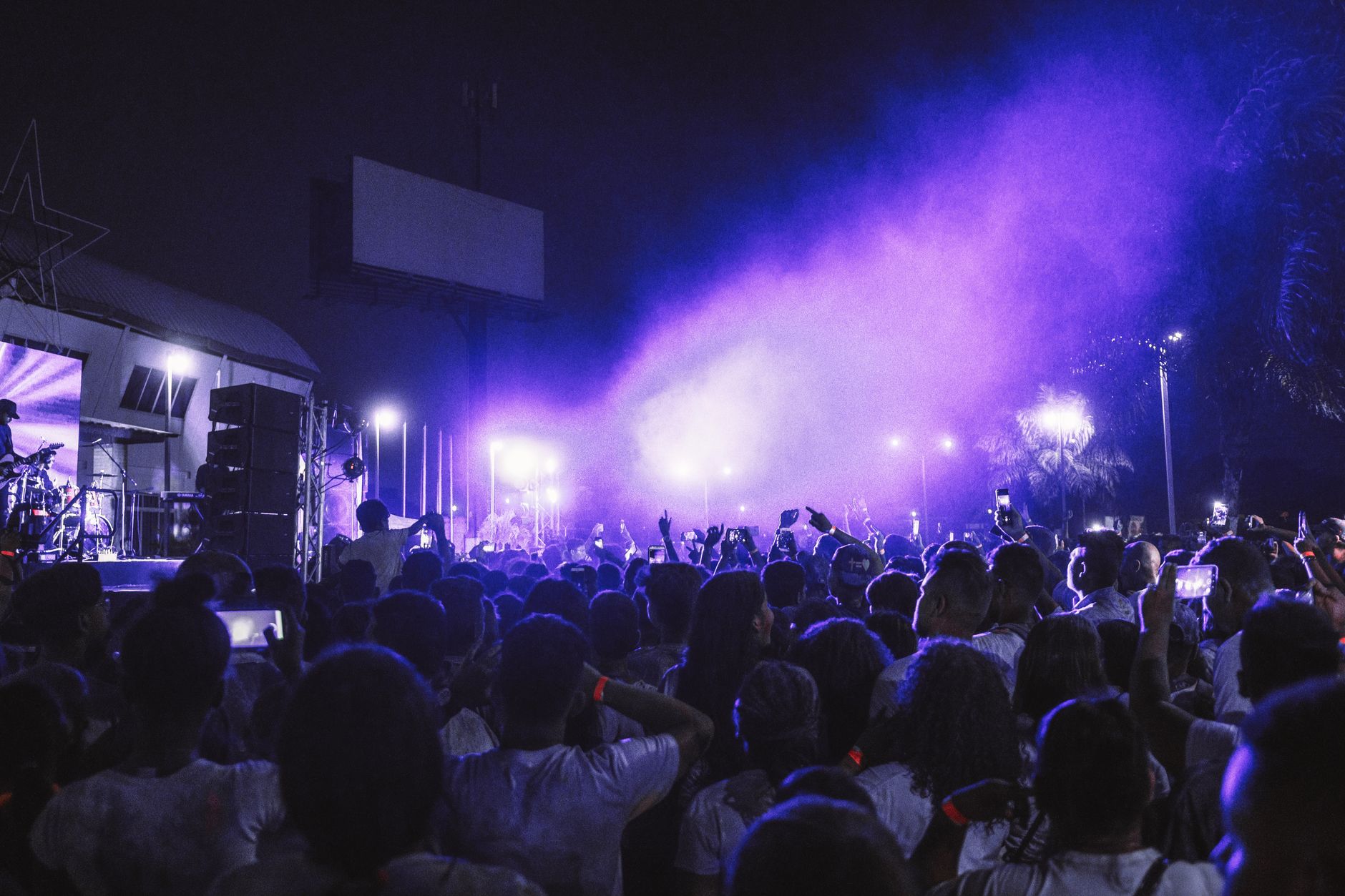
Festival season 2026 is wrapping up with a clear message: sponsorship dollars are flowing, but they’re flowing differently. With Coachella reportedly pulling in over $100 million in sponsorship revenue and mid-size festivals scrambling to replace lost ticketing income after a summer of soft sales in some markets, understanding music festival sponsorship packages pricing has never been more critical — whether you’re a brand deciding where to spend or an organizer trying to keep the lights on.
The days of slapping a logo on a stage banner and calling it a partnership are over. Brands now demand data, activations, and measurable ROI. Organizers, meanwhile, are under pressure to price packages that reflect real value without scaring off sponsors in a tighter economy. This guide breaks down what sponsorship packages actually cost in 2026, what drives those numbers, and how both sides can get a better deal.
Why Sponsorship Pricing Looks Different in 2026
Three forces are reshaping the market right now.
First, brand budgets have shifted toward experiential marketing. According to industry estimates, experiential spending grew roughly 10% year-over-year, with live music capturing a growing slice. Brands like Liquid Death, Red Bull, and Heineken have proven that festival presence drives real purchase behavior — and every CMO has noticed.
Second, first-party data is the new currency. Festivals that can offer sponsors access to attendee data (email opt-ins, app engagement metrics, demographic breakdowns) command premium pricing. A festival that can’t prove who its audience is will struggle to justify anything above entry-level rates.
Third, the mid-tier squeeze is real. Mega-festivals (Coachella, Lollapalooza, Tomorrowland) and hyper-local community events are both doing fine. It’s the 5,000–20,000 capacity regional festivals that are fighting hardest for sponsor dollars, which means pricing in that segment is more negotiable than it’s been in years.
Music Festival Sponsorship Packages Pricing: The Real Tiers
Here’s what the market actually looks like in 2026, based on festival size and sponsor level. These are ballpark figures — every deal is different — but they’ll keep you from walking into a negotiation blind.
Mega-festivals (50,000+ daily attendance):
- Title/presenting sponsor: $2M–$10M+
- Stage sponsor: $500K–$2M
- Activation sponsor (booth, experience): $100K–$500K
- Official product category (beverage, banking, telecom): $250K–$1M
Mid-size regional festivals (10,000–50,000 daily attendance):
- Title sponsor: $150K–$750K
- Stage sponsor: $50K–$200K
- Activation sponsor: $15K–$75K
- Supporting/vendor sponsor: $5K–$25K
Boutique and community festivals (under 10,000):
- Title sponsor: $20K–$100K
- Stage sponsor: $5K–$30K
- Activation sponsor: $2K–$10K
- In-kind/trade deals: common at this level
A few things jump out. The gap between title and activation pricing is enormous — often 5x to 10x — because naming rights and category exclusivity carry massive value. And at the boutique level, in-kind sponsorships (product, services, media coverage) often make up 30–40% of total sponsor value, even if cash is limited.
What Actually Drives the Price Up (or Down)
Raw attendance numbers matter less than they used to. Here’s what sponsors are really paying for in 2026:
Audience quality over quantity. A 15,000-person electronic music festival with an affluent, 21–34 demographic can charge more per attendee than a 40,000-person free community event. Sponsors want to know household income, purchase intent, and social media behavior — not just headcount.
Category exclusivity. If you’re the only beer brand on site, you pay a premium. Exclusivity clauses typically add 25–50% to a package price, and they’re usually worth it for the sponsor.
Digital and content rights. Sponsors increasingly want co-branded content, livestream integration, and social media deliverables baked into packages. A festival with a strong YouTube or TikTok presence can charge 20–30% more for packages that include content rights.
Multi-year commitments. Organizers love locking in 2–3 year deals and will often discount 10–15% for the security. Brands benefit too — they get rate protection and deeper integration over time.
Timing. Sponsorship sold 9–12 months out commands full rate. Unsold inventory 60 days before gates open? That’s when deals get done at 30–40% below rate card. If you’re a brand on a budget, patience pays.
How Organizers Should Structure Their Packages
If you’re on the festival side, the biggest mistake is offering a one-size-fits-all deck with Gold, Silver, and Bronze tiers that nobody asked for. Here’s a better approach:
- Lead with audience data. Your deck should open with who attends your festival — demographics, spending habits, brand affinities. Use ticketing data, post-event surveys, and social analytics.
- Build modular packages. Let sponsors choose from a menu: stage naming, VIP area branding, on-site activation space, content creation, email inclusion, app placement. Price each element individually, then bundle.
- Create scarcity. Limit the number of sponsors per tier. “Only 3 activation partners” is more compelling than an open field.
- Offer a measurement report. Promise — and deliver — a post-event recap with impressions, engagement numbers, and lead capture data. This alone justifies higher pricing and dramatically improves renewal rates.
- Don’t undervalue in-kind deals. A beverage sponsor providing $50K in product saves you real money. Just don’t let in-kind replace cash entirely.
How Brands Can Negotiate a Smarter Deal
For brands evaluating music festival sponsorship packages pricing, the rate card is a starting point — not the final number.
Ask for added value before asking for a discount. Extra social posts, more booth space, VIP tickets for clients, backstage access for content capture — these cost the festival little but add real value for you.
Negotiate measurement into the contract. Specify exactly what data you’ll receive post-event: attendee demographics, foot traffic at your activation, social impressions, email opt-ins. If they can’t measure it, that’s leverage for a lower price.
Consider first-year festivals carefully. They’re risky but often priced 40–60% below established events. If the founding team has a track record and the lineup is strong, a first-year deal can deliver outsized ROI.
Bundle across properties. If the promoter runs multiple events, negotiate a package across all of them. You’ll get a better blended rate and consistent brand presence across a season.
The Bottom Line
Music festival sponsorship packages pricing in 2026 reflects a market that’s maturing fast. Blanket logo placement is dead; data-driven, activation-heavy partnerships are the standard. Whether you’re an organizer building your rate card or a brand evaluating where to spend, the winners are the ones who treat sponsorship as a measurable marketing channel — not a vanity play.
Start conversations early, demand real data on both sides, and don’t be afraid to walk away from a deal that doesn’t include clear deliverables. The festivals and brands that figure this out are building partnerships that last for years. The rest are just buying banners.
Like what you're reading?
Check out our recommended partner for this niche.
Novem Astra Global Media →