
Live Music in 2025: What''s Actually Changing
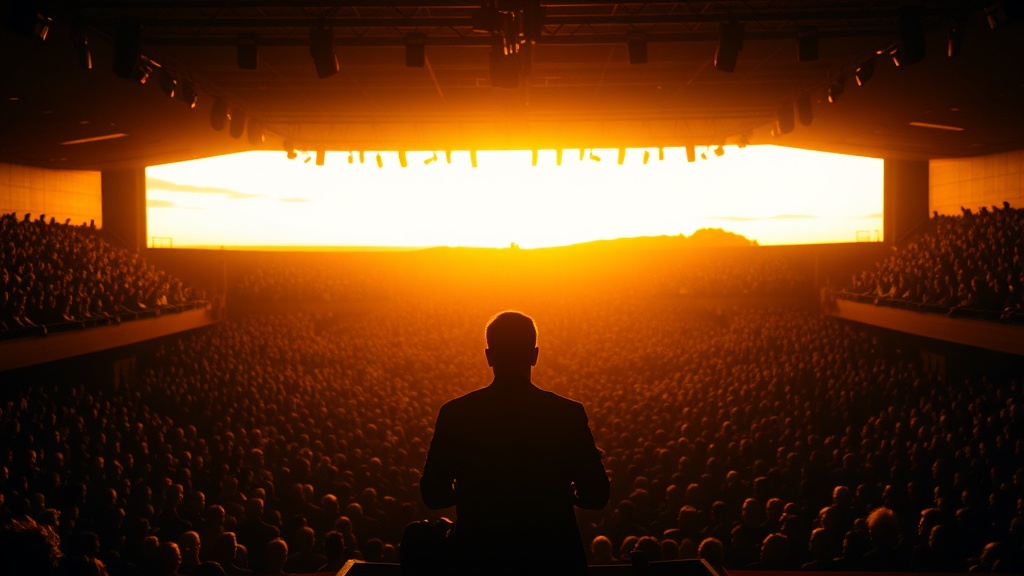
The live music industry crossed $30 billion in global revenue in 2024. That number would have been unthinkable five years ago. But the growth isn’t evenly distributed, and what’s happening under the surface tells a more complicated story.
Superstar Concentration
Taylor Swift, Beyoncé, and a handful of other artists now account for a disproportionate share of ticket revenue and media coverage. This isn’t new, but the gap is widening. Mid-tier touring artists — the ones who might play a 2,000-capacity venue in a regional market — are finding it harder to break even.
The economics of touring have shifted: production costs are up significantly post-COVID, and fans who were burned by canceled shows in 2020–2021 are more selective about which events they commit to.
The Festival Shakeout
Festival season in 2024 saw several mid-sized events cancel or significantly scale back. Costs are up, lineup fees are up (driven by competition for a limited pool of headliners), and consumers have more options. The festivals that are thriving share a common trait: they’ve built identity and community beyond the lineup.
Coachella still sells out because of what it means to people, not just who’s playing. The same is true for niche festivals built around specific genres or experiences. Generic “summer music festival” doesn’t cut it anymore.
What’s Working
Intimate venues. The 500–2,500 capacity room is having a moment. Fans want to feel something at a show, and that’s harder to achieve in a 50,000-seat arena. Smaller rooms with strong sightlines and good sound are selling out consistently.
Artist-to-fan direct connection. Patreon, Substack, and platform-native communities are letting artists build sustainable audiences outside the traditional label and promoter ecosystem. The artists doing this well are less dependent on a single viral moment and more resilient to platform algorithm changes.
Regional markets. Louisville, Nashville, Columbus, and similar second-tier cities are seeing significant increases in touring activity. The major markets are saturated; the smart routing goes where competition is lower and fan engagement is higher.
What to Watch
The ticketing duopoly isn’t going anywhere soon despite regulatory pressure. What is shifting is the secondary market — dynamic pricing by venues themselves is becoming normalized, which changes the relationship between list price and actual market price.
For fans, the advice is simple: if you want to see something, buy early. The arbitrage window is closing.
Like what you're reading?
Check out our recommended partner for this niche.
Novem Astra Global Media →