How Independent Artists Can Break Into Festival Lineups in 2024
How Independent Artists Can Break Into Festival Lineups in 2024
The path to festival glory isn’t reserved for artists with major label backing anymore. In 2024, independent musicians have more opportunities than ever to secure coveted festival slots—if they know where to look and how to position themselves strategically.
Whether you’re a bedroom producer, touring folk artist, or emerging hip-hop act, this comprehensive guide will walk you through actionable steps to land those festival bookings and expand your fanbase exponentially.
Understanding the Festival Booking Landscape
The Reality of Festival Discovery
Festival bookers aren’t scrolling through random social media profiles looking for talent. They’re actively searching through curated channels, networking with managers, and analyzing data. According to recent industry interviews, 60% of independent artists booked at festivals were discovered through targeted outreach rather than organic discovery.
The key insight? You need a strategy. Festival bookers receive hundreds of submissions weekly. Your submission needs to stand out with professionalism, clear metrics, and authentic presentation.
Festival Types and Your Positioning
Not all festivals are created equal, and your strategy should vary:
Niche festivals (genre-specific, local) are your launching pad. They typically have smaller budgets, younger audiences, and are more willing to take chances on emerging artists.
Regional festivals require established regional following and proven live draw.
Major festivals (Coachella, Glastonbury, Lollapalooza) aren’t realistic targets until you’ve built significant traction elsewhere.
Pro tip: Start mapping festivals that align with your genre and audience size. Create a tiered list: target festivals, reach festivals, and stretch festivals.
Building Your Festival-Ready Platform
1. Create Comprehensive Press Materials
Festival bookers need to make quick decisions. Your electronic press kit (EPK) should include:
- Professional artist bio (150-200 words, third-person narrative)
- High-resolution photos (minimum 2400×1600 pixels)
- Press coverage (even local blog features count)
- Social media metrics (honest numbers matter more than inflated followers)
- Video clips of live performances (15-30 seconds of your best performance)
- Spotify/streaming stats showing growth trajectory
Platforms like BandsInTown, ReverbNation, and Sonicbids make creating professional EPKs straightforward. Don’t overlook this step—it’s your first impression.
2. Develop Demonstrable Live Presence
Festival bookers want proof you can deliver. This means:
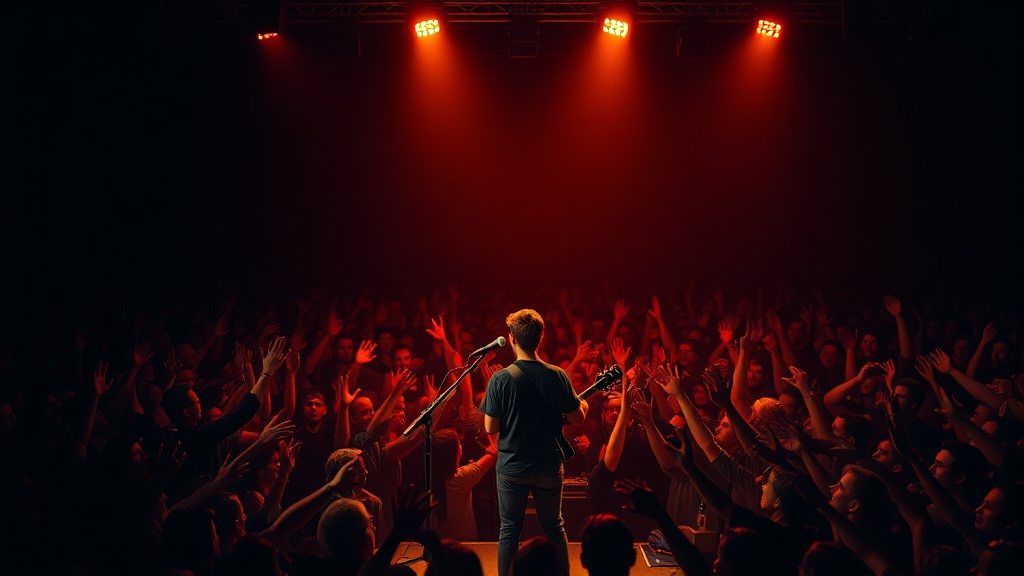
Record your live shows. Even phone-quality videos showing audience engagement matter. A 2-minute clip of a packed local venue reacting to your performance speaks volumes.
Document attendance numbers. If you draw 50 people to a venue, that’s measurable proof of local appeal. As you grow to 100, 200, 300 person shows, these numbers become increasingly attractive to boosters.
Build email list consistency. Festivals care about your email subscriber count. This indicates you have direct access to fans who’ll purchase tickets. Aim for 1,000+ subscribers before approaching regional festivals.
3. Leverage Streaming Analytics
Modern festival bookers examine your Spotify, Apple Music, and YouTube data religiously. They’re looking for:
- Monthly listener growth (month-over-month increases signal momentum)
- Geographic listener concentration (if you’re targeting Pacific Northwest festivals, having strong Pacific Northwest listeners is valuable)
- Playlist placements (editorial and algorithmic playlists demonstrate broader appeal)
- Save-to-follow ratio (indicates whether listeners consider you worth following)
Action step: Claim your artist profiles on all major platforms. Set up monthly tracking to monitor these metrics. If metrics are stagnant, you need better marketing before approaching festivals.
Strategic Outreach and Submission
Timing Your Festival Submissions
Festival lineups don’t materialize overnight. Understanding the timeline is critical:
12-18 months out: Major festivals announce calls for submissions. 9-12 months out: Regional festivals open submissions. 6-9 months out: Niche and local festivals book. 3-6 months out: Last-minute additions and emerging artist stages open.
Don’t wait for the “perfect” opportunity. Start submitting to realistic targets 6-9 months before the festival date. Many festivals close submissions based on volume, not deadline.
Personalization Beats Volume
The difference between successful and unsuccessful submissions? Personalization.
When reaching out to a booking team:
- Address the specific booker by name (research the festival’s staff)
- Reference previous lineups (“I’m influenced by [previous artist who played your festival], and I think my audience would resonate with your 2023 programming”)
- Explain why your music fits (not just why the festival is cool)
- Include one link to your best song or live performance video
- Keep it to 3-4 sentences (bookers receive hundreds; brevity wins)
Building Relationships Over Time
One-off submissions rarely succeed. Instead:
Follow festival social accounts and engage authentically with their content.
Attend festivals in your region, even as audience members. Introduce yourself to bookers at the festival itself.
Network with other artists on similar lineups. Festival bookers pay attention to which artists collaborate and support each other.
Email consistently without being annoying. A thoughtful follow-up email 3-4 months after your initial submission (with updated metrics) often works better than the original pitch.
Preparation and Execution
When You Land the Slot
Getting booked is just the beginning. Festival performance is your audition for future opportunities.
Arrive prepared. Have your technical rider perfected. Know your timing down to the minute. Rehearse your set with the exact setup you’ll have at the festival.
Promote aggressively. Once your booking is official, your fans become your marketing team. Offer ticket discounts to email subscribers. Create shareable festival graphics. The more tickets you help the festival sell, the more likely you are to get invited back.
Document everything. Get professional video footage of your set. These clips become marketing gold for future festival submissions.
Engage during the festival. Host a meet-and-greet. Record a live cover for social media. The artists and audiences who interact with you at festivals often become long-term fans and collaborators.
The Long Game
Build Momentum Systematically
Successful festival artists don’t appear overnight. They build momentum through:
- Consistent touring in their region
- Regular streaming releases (monthly consistency beats sporadic drops)
- Authentic fan engagement across platforms
- Strategic festival progression (local → regional → major)
This journey typically spans 2-4 years for independent artists. Embrace the timeline.
Final Thoughts
Breaking into festival lineups in 2024 requires professional presentation, measurable metrics, and persistent strategic outreach. You’re competing against thousands of artists, but most won’t bother with the professionalization steps outlined here.
Start with your EPK. Document your live shows. Track your metrics. Research festivals aligned with your sound and audience. Personalize your submissions. Build relationships over time.
These fundamentals won’t guarantee bookings, but they’ll position you as a serious artist worthy of consideration—and in a crowded festival landscape, that’s your competitive advantage.
Your festival moment is out there. Go earn it.
Like what you're reading?
Check out our recommended partner for this niche.
Novem Astra Global Media →