
How to Start a Record Label in 2026: The Lean Startup Guide for Independent Founders
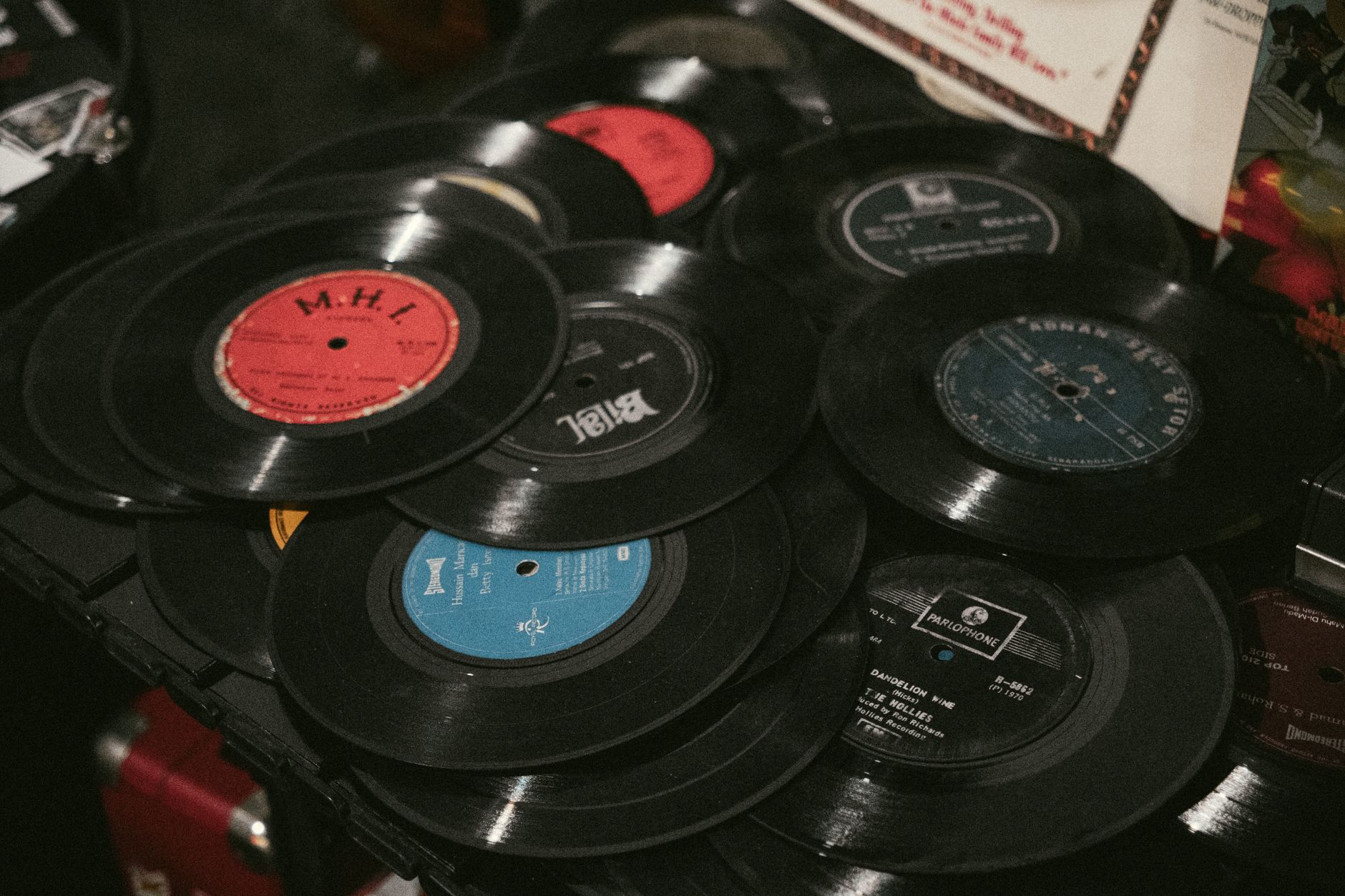
The major label system is bleeding market share, and 2026 is the year independent founders finally have the infrastructure to compete. With Universal Music Group’s recent restructuring and the continued explosion of direct-to-fan platforms, learning how to start a record label in 2026 has shifted from a pipe dream to a viable business model. You don’t need millions in startup capital or industry connections — you need a laptop, a legal entity, and a ruthless understanding of the modern music economy.
This guide breaks down exactly how to launch a lean, profitable record label in today’s landscape, from legal formation to your first signing.
Why 2026 Is the Perfect Time to Start a Record Label
The barriers to entry have collapsed. In 2020, you needed a physical distributor and a radio promo team. In 2026, you need a DistroKid account and a Discord server. The rise of AI-powered marketing tools has leveled the playing field, allowing two-person operations to execute campaigns that previously required a 20-person marketing department.
Streaming now accounts for 84% of recorded music revenue, and platforms like TikTok and Instagram Reels have democratized artist discovery. More importantly, the “middle class” of musicians is growing — artists earning $50,000 to $200,000 annually who need label services but don’t want to give up 80% of their revenue to a major. That’s your market.
The key shift in 2026 is the move from “record label” to “artist services company.” You’re not just releasing music; you’re providing marketing, funding, and infrastructure for a monthly fee or revenue share. This model is more sustainable and attractive to modern artists.
Legal Formation and Business Setup
Before you sign anyone, you need a legal foundation. Form an LLC in your state — this protects your personal assets and makes you look legitimate to artists and distributors. Delaware and Wyoming are popular for their business-friendly laws, but your home state is often simpler for tax purposes.
Essential legal steps:
- Register your LLC ($50-$500 depending on state)
- Get an EIN from the IRS (free)
- Open a business bank account (Mercury and Relay are popular with music startups)
- Draft your artist contract template — budget $1,500-$3,000 for an entertainment lawyer to create a reusable template
Your contract should cover: term length (aim for 1-3 years, not perpetuity), revenue splits (80/20 in the artist’s favor is competitive in 2026), rights reversion clauses, and marketing commitments. Avoid the “360 deal” trap — artists are savvy now and will walk away from contracts that take a cut of their touring and merch.
Building Your Tech Stack and Distribution
Your distributor is your most important partner. In 2026, the landscape has consolidated around a few key players. DistroKid and TuneCore work for single-artist operations, but for a label, you need a white-glove service.
Top distributor options for new labels:
- AWAL (Sony-owned, selective, offers marketing support)
- The Orchard (requires application, strong international reach)
- Symphonic Distribution (good for electronic and hip-hop)
- United Masters (artist-friendly terms, brand partnership opportunities)
Expect to pay 10-15% of revenue or a flat annual fee. Negotiate for playlist pitching support — this is where distributors earn their cut.
Your tech stack should include:
- Royalty accounting software: Curve or LabelGrid ($100-$300/month)
- Project management: Notion or Monday.com for release calendars
- Marketing automation: ManyChat for fan engagement, Chartmetric for analytics
- Website: Squarespace or Webflow with a Bandzoogle integration for music sales
Budget $500-$1,000 monthly for software. This is your overhead — keep it lean.
Signing Your First Artists
Don’t chase the viral TikTok star with 2 million followers and no work ethic. Look for the artist with 10,000 engaged fans, a consistent release schedule, and a clear brand identity. In 2026, engagement rate matters more than follower count.
Where to find talent:
- Local scenes: Attend shows, build relationships with venue bookers
- Discord communities: Genre-specific servers are goldmines for emerging talent
- College radio: Still a breeding ground for the next big thing
- Producer networks: Producers know who’s talented before anyone else
When approaching artists, lead with what you can offer: playlist pitching, marketing budgets, sync licensing connections, or simply the time to handle business so they can focus on music. Be transparent about your revenue split and what you expect in return.
Start with a single-artist deal or a joint venture for one release. This minimizes risk and lets you prove your value before committing to a long-term partnership.
Revenue Streams Beyond Streaming
Streaming alone won’t sustain your label. The average per-stream payout in 2026 is $0.004 — you need 250,000 streams to earn $1,000. Diversify immediately.
Priority revenue streams:
- Sync licensing: One TV placement can pay $5,000-$50,000. Sign up with Musicbed, Artlist, or hire a sync agent.
- Merchandise: Use print-on-demand services like Printful to avoid inventory costs. Take 15-20% of net profits.
- Direct-to-fan sales: Bandcamp and your own website offer 85-90% margins vs. streaming’s 70%.
- Live event partnerships: Book your artists into local venues and take a booking fee.
- Sample packs and production kits: If you sign producers, this is passive income.
The most successful indie labels in 2026 generate 60% of revenue from non-streaming sources within their first two years.
Marketing and Release Strategy
The 2026 release cycle is faster than ever. Albums are out; consistent singles are in. Plan for a new release every 6-8 weeks per artist to maintain algorithmic momentum.
Your release checklist:
- 4 weeks out: Submit to Spotify editorial playlists via Spotify for Artists
- 3 weeks out: Launch pre-save campaign with a $500-$1,000 Facebook/Instagram ad budget
- 2 weeks out: Pitch to independent playlist curators (SubmitHub, Groover)
- Release week: TikTok influencer seeding — micro-influencers (10K-100K followers) convert better than celebrities
- Post-release: Retarget engaged listeners with ads for merchandise and concert tickets
Focus on one “hero platform” per artist. If they’re visual, prioritize TikTok. If they’re lyric-driven, focus on YouTube and podcast appearances. Don’t spread your budget thin across every platform.
Conclusion
Learning how to start a record label in 2026 requires treating it like a tech startup, not a vanity project. The founders succeeding today are those who embrace lean operations, data-driven decisions, and artist-friendly terms. You don’t need to compete with Universal — you need to serve the thousands of talented artists the majors ignore.
Start with one artist, one release, and one revenue stream. Prove the model works, then scale. The infrastructure is ready, the artists are waiting, and the market has never been more open to independent competition. Your label’s first signing is out there right now, uploading demos to SoundCloud and hoping someone believes in them. Be that someone.
Like what you're reading?
Check out our recommended partner for this niche.
Novem Astra Global Media →