
How to Start a Music Venue: The 2026 Blueprint for Turning Empty Space into Live Magic
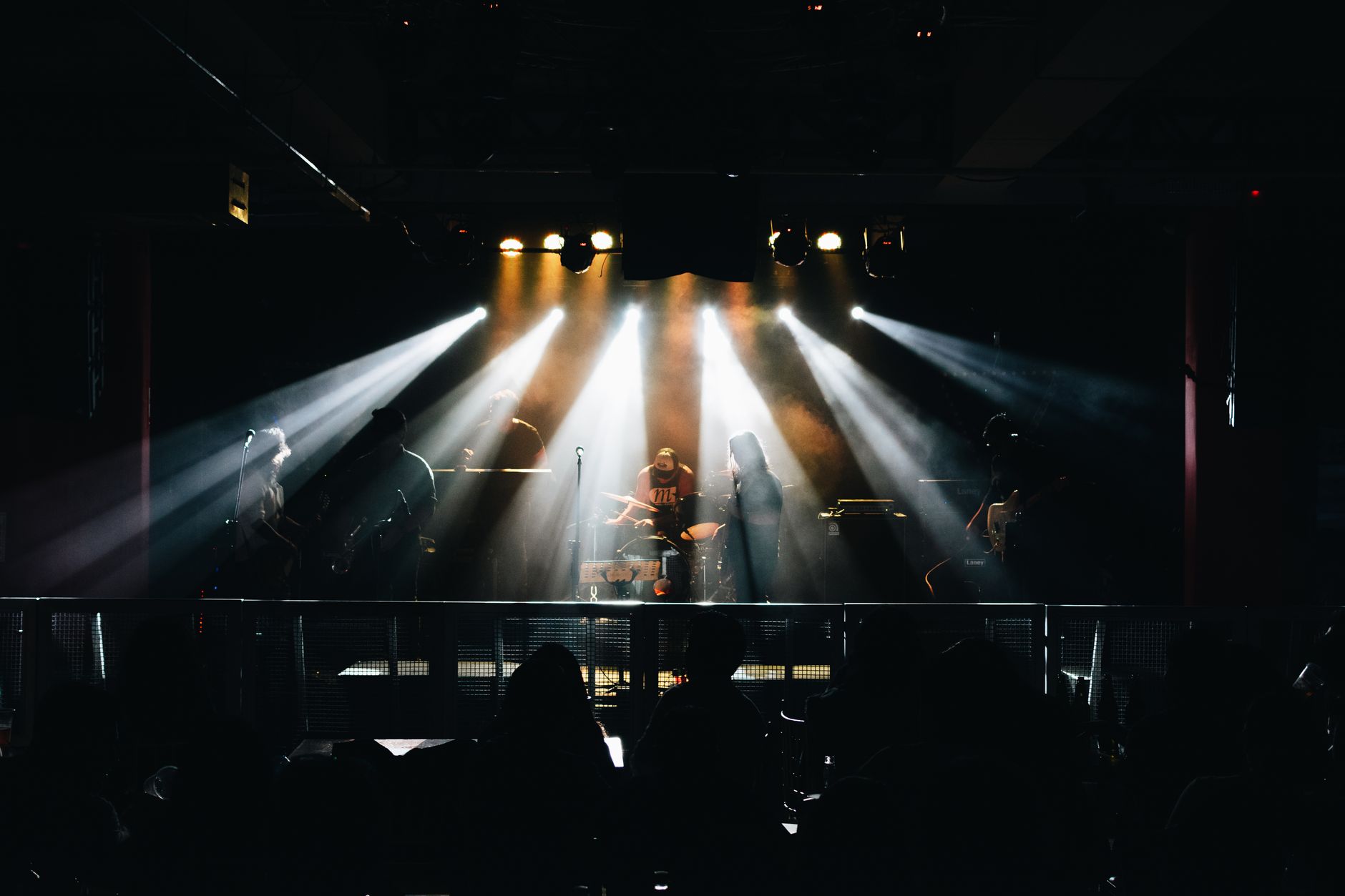
The live music industry is experiencing a fascinating paradox right now. While stadium tours and mega-festivals dominate headlines, there’s a quiet revolution happening in abandoned warehouses, converted churches, and neighborhood storefronts across the country. Independent venues are rebounding with a vengeance as fans increasingly crave intimate, authentic experiences over massive productions—and entrepreneurs are taking notice.
If you’ve been watching this shift and wondering how to start a music venue, you’re entering the market at a pivotal moment. The post-pandemic landscape has created unique opportunities: commercial real estate prices have softened in many markets, hybrid indoor-outdoor concepts are gaining traction, and audiences are actively seeking alternatives to Ticketmaster-dominated mega-shows. But opening a successful venue requires more than just a love of live music—it demands strategic planning, regulatory navigation, and a clear-eyed understanding of the economics involved.
Finding Your Niche and Location
Before you sign a lease, you need to answer one critical question: what gap are you filling? The most successful new venues in 2026 aren’t trying to be everything to everyone. They’re laser-focused on underserved segments.
Consider what’s missing in your market. Is there a thriving local punk scene with no all-ages space? Are jazz musicians forced to play restaurants where nobody listens? Has your city’s electronic music community been relegated to illegal warehouse parties? Your venue concept should solve a specific problem.
Location scouting priorities:
- Zoning compliance: Verify the property is zoned for live entertainment before falling in love with the exposed brick
- Transportation access: Proximity to public transit or ample parking directly impacts attendance
- Neighborhood compatibility: That industrial district might seem perfect until you realize the surrounding businesses operate 24/7 and will complain about noise
- Ceiling height and column placement: Minimum 14-foot ceilings for proper sound dispersion; avoid spaces with support columns that obstruct sightlines
Budget $8-15 per square foot annually for lease costs in secondary markets, and $20-40+ in major metros. A 3,000-square-foot venue (capacity 200-300) represents the sweet spot for first-time operators—large enough to generate meaningful revenue, small enough to manage risk.
Navigating the Licensing Labyrinth
Here’s where many aspiring venue owners get tripped up. The regulatory requirements for live music venues are extensive, vary dramatically by jurisdiction, and can take 6-18 months to secure. Start this process immediately.
Essential licenses and permits:
- Business license: Standard requirement, but specify “live entertainment” in your application
- Liquor license: The profit engine for most venues; costs range from $3,000 in some states to $400,000+ in others with quota systems
- Entertainment/cabaret license: Separate from liquor licensing in many cities; some jurisdictions require sound studies and community board approval
- Fire department capacity certificate: Determines your legal occupancy; expect rigorous inspection of exits, sprinkler systems, and emergency lighting
- Music licensing (PRO) agreements: ASCAP, BMI, and SESAC fees for live performance; budget $1,500-5,000 annually depending on capacity and frequency of shows
The smartest operators engage a land-use attorney or expeditor familiar with local entertainment regulations. Yes, it costs $5,000-15,000 upfront, but it can save you months of delays and prevent costly mistakes—like signing a lease on a space where live music is effectively prohibited.
Designing for Sound and Experience
You can have the best booking in town, but if your venue sounds terrible, audiences won’t return. Acoustic treatment isn’t optional—it’s your product.
Acoustic essentials:
- Sound isolation: Invest in proper wall construction (staggered stud or double-wall systems) to prevent noise bleed; expect $50,000-150,000 for meaningful soundproofing in an existing space
- Interior acoustics: Balance absorption and reflection; too dead feels sterile, too live creates muddy sound
- PA system: Quality matters more than power; a well-tuned 5,000-watt system outperforms a cheap 10,000-watt setup
- Lighting infrastructure: LED systems with DMX control offer flexibility and lower operating costs than traditional rigs
Beyond technical specs, design for the full fan experience. Sightlines matter—can someone in the back see over the crowd? Is there adequate bar access without disrupting the performance? Are restrooms sufficient (one fixture per 40-50 patrons minimum)? These details separate venues that thrive from those that merely survive.
Building Your Booking Strategy
Your booking approach defines your venue’s identity and financial viability. In 2026, the most resilient independent venues have moved beyond the “four-wall rental” model—where promoters pay to use your space—toward curated programming that builds audience loyalty.
Programming considerations:
- Genre consistency vs. diversity: Genre-specific venues build stronger communities but limit booking options; eclectic programming requires stronger marketing but reduces dependence on any single scene
- Local vs. touring acts: Local showcases build goodwill and fill calendar gaps; touring acts drive revenue but require guarantees that strain cash flow
- All-ages vs. 21+: All-ages shows expand your audience but eliminate bar revenue; many venues use early show/late show splits to capture both markets
Develop relationships with local promoters, booking agents, and artist managers before you open. Attend shows at competing venues—not to poach, but to understand what works and identify gaps. The live music ecosystem is surprisingly collaborative; venues that support each other through shared resources and referrals often outperform isolated competitors.
The Financial Reality: Startup Costs and Revenue Streams
Let’s talk numbers. Opening a music venue requires significant capital, and underestimating costs is the primary killer of otherwise viable concepts.
Realistic startup budget for a 200-capacity venue:
- Lease deposits and initial rent: $15,000-40,000
- Renovations and soundproofing: $75,000-200,000
- PA, lighting, and backline: $40,000-80,000
- Licensing and legal: $20,000-50,000
- Furniture, fixtures, and bar equipment: $25,000-50,000
- Working capital (6 months): $60,000-100,000
- Total: $235,000-520,000
Revenue diversification is non-negotiable. Ticket sales alone rarely sustain a venue. Successful operators typically generate 40-60% of revenue from bar sales, 20-30% from tickets, and the remainder from merchandise cuts, private rentals, and ancillary services. Some venues have added coffee shops, record stores, or co-working spaces to monetize daytime hours.
Launching and Sustaining Momentum
Your opening weekend matters, but your first year determines survival. Plan a soft launch with lower-stakes shows to work out operational kinks before your grand opening. Build an email list aggressively from day one—social media algorithms change, but direct communication remains reliable.
First-year priorities:
- Establish consistent programming nights (e.g., “Tuesday Local Showcase”) to build habitual attendance
- Track per-show profitability meticulously; know your break-even point for every event
- Cultivate relationships with local media and playlist curators for ongoing coverage
- Join industry organizations like NIVA (National Independent Venue Association) for advocacy and resources
Your Next Steps
Learning how to start a music venue is ultimately about balancing passion with pragmatism. The venues succeeding in 2026 combine authentic community engagement with disciplined business operations. They understand that they’re not just selling tickets—they’re creating spaces where culture happens.
Start by attending shows with an operator’s eye. Talk to venue owners about their mistakes. Run the numbers on your specific market. The path from dream to opening night typically spans 12-24 months, but for those who navigate it successfully, the reward is a business that genuinely matters to its community.
The stage is waiting. Build it right.
Like what you're reading?
Check out our recommended partner for this niche.
Novem Astra Global Media →