
How to Become a Music Supervisor for Film and TV: The 2026 Career Roadmap
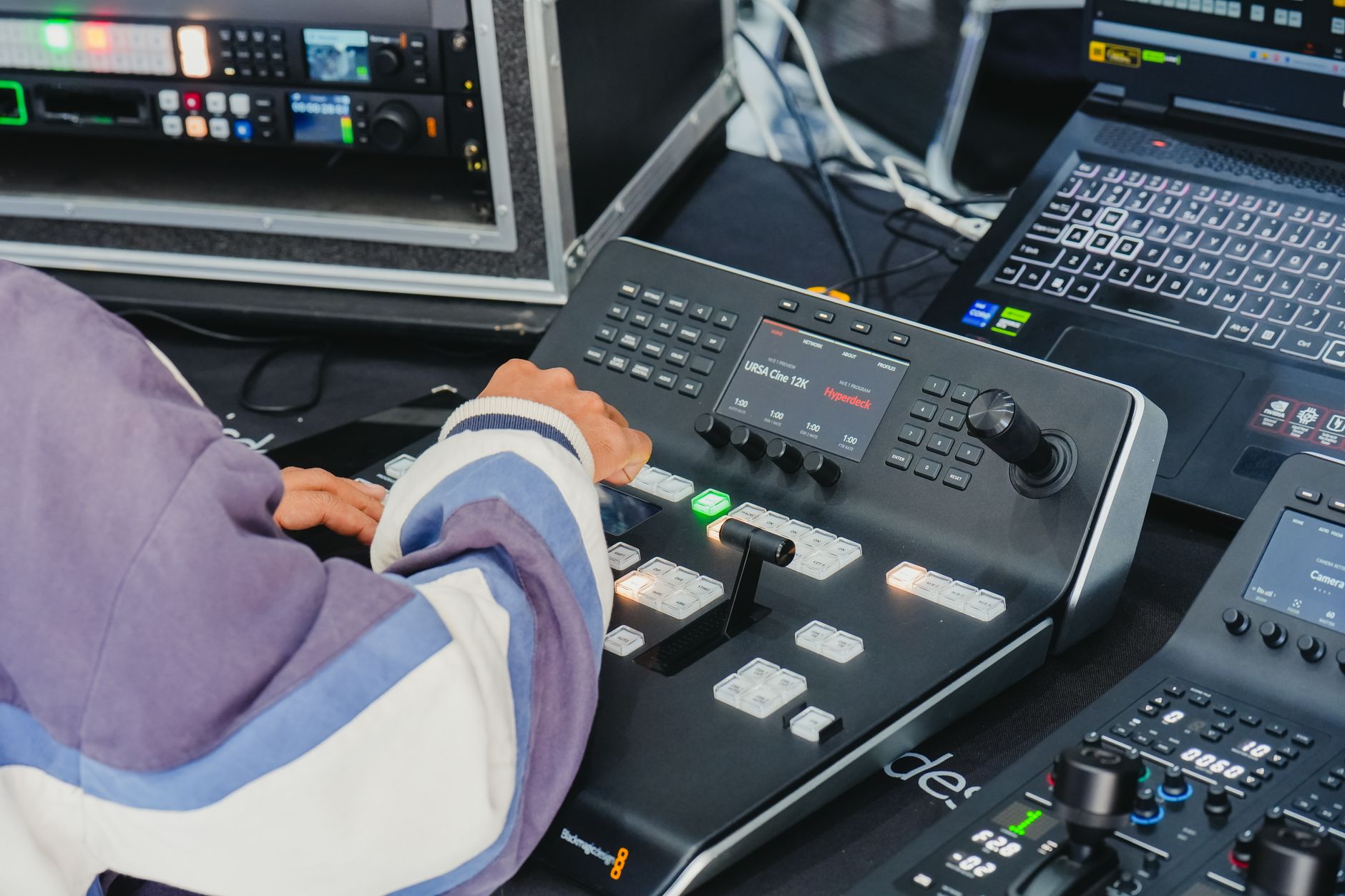
Peak TV might be cooling, but the sync gold rush is just getting started. With streaming platforms greenlighting over 500 original series this year and gaming studios scrambling for licensed tracks, the demand for skilled music supervisors has never been higher. If you’ve been Googling how to become a music supervisor for film and TV while scrolling through yet another “now hiring” post for content curators, you’re looking at the right career pivot at exactly the right moment.
Music supervision sits at the intersection of A&R, legal affairs, and creative producing. It’s the job that makes you cry during that Euphoria scene or pumps your adrenaline during a F1 racing sequence. But here’s what the job descriptions don’t tell you: it’s 20% crate-digging and 80% spreadsheet management, budget negotiation, and relationship maintenance.
This guide breaks down the actual path—not the fantasy—into one of entertainment’s most competitive niches.
What Does a Music Supervisor Actually Do?
Forget the image of someone just picking cool songs. A music supervisor is a project manager with an encyclopedic knowledge of music and a lawyer’s understanding of copyright.
On any given Tuesday, you might:
- Clear a 1973 soul track for a Netflix period drama (tracking down the estate, negotiating the $45,000 fee, ensuring the sample clearance is bulletproof)
- Brief composers on a temp score that needs to sound “anxious but hopeful” for a thriller’s final act
- Manage a music budget that’s been slashed by 30% because the production went over on VFX
- Source indie artists for a teen series that needs “TikTok viral but not obvious” vibes
You’re the bridge between the director’s vision and the legal department’s risk assessment. When a showrunner wants a Rolling Stones track but only has $15,000, you’re the one finding the soundalike or the deep cut that delivers the same emotional punch for a tenth of the price.
The Skills That Actually Get You Hired
Learning how to become a music supervisor for film and TV requires a hybrid skill set that doesn’t exist in any other entertainment role. You need three distinct competencies:
1. Music Knowledge (The Obvious One) You need to know not just what’s charting, but what’s bubbling in underground scenes. Supervisors like Jen Malone (Euphoria, Yellowjackets) spend weekends at DIY shows and hours on Bandcamp. But you also need historical depth—knowing that 1968 psych-rock B-side that perfectly captures a character’s unraveling.
2. Legal and Business Acumen You’ll negotiate synchronization licenses (for the composition) and master use licenses (for the recording). Understanding publishing splits, PRO registrations (ASCAP, BMI, SESAC), and union rates (SAG-AFTRA for on-camera performances) is non-negotiable. One clearance mistake can cost a production six figures in lawsuits.
3. Diplomacy and Translation Directors speak in emotions (“make it feel like a sunset”), composers speak in technicalities (“we need a 12-tone row here”), and producers speak in budgets (“we have $2,000 total”). You translate between all three while keeping everyone’s egos intact.
The Realistic Path From Assistant to Supervisor
There’s no degree program that guarantees this job (though Berklee and NYU offer relevant coursework). Here’s the trajectory that actually works in 2026:
Start in the Ecosystem Get a job at a sync licensing company (like Bank Robber Music or Terrorbird), a music library, or a publisher’s sync department. These are the feeders. You’re not supervising yet, but you’re learning how clearances work and building your network of music supervisors who need clearance help.
The Assistant Grind Music supervisor assistants do the unglamorous work: creating spotting notes (timing where music goes), organizing metadata, and managing the “temp love” spreadsheets when directors fall in love with unaffordable temp tracks. Expect 2-3 years here, earning $40,000-$55,000 while you learn the workflow.
The “Baby Supervisor” Phase Start with indie films, student projects, or branded content. These pay $2,500-$10,000 per project but give you credits. The goal isn’t the money—it’s the IMDb page and the relationships with up-and-coming directors who’ll hire you when they get their Netflix deal.
Going Independent Most supervisors are freelancers. You’ll need an LLC, errors and omissions insurance (about $2,000 annually), and a killer reel. Staff positions exist at streamers (Netflix, Amazon) and networks, but they’re rare and highly political.
Breaking In: Networking Strategies That Work in 2026
The old advice was “move to LA and fetch coffee.” That’s outdated. Here’s the modern approach:
Virtual Networking with Purpose Join the Guild of Music Supervisors (GMS) as an associate member ($150/year). Attend their virtual panels and actually follow up with speakers on LinkedIn—not with “can I pick your brain,” but with specific questions about their recent projects.
Sync Agent Relationships Sync agents represent catalogs of music for licensing. They’re your best friends. When you’re starting, offer to create playlists for their pitches or help with research. They remember who helped them land a $50,000 car commercial.
The “Side Door” Strategy Many current supervisors started as music editors (technical role), composers’ assistants, or even music journalists. Alexandra Patsavas (Grey’s Anatomy, The O.C.) started in film production. Randall Poster (Wes Anderson’s films) came from music journalism. Your unique background is an asset, not a liability.
Build a Public Taste Profile Start a Substack or TikTok analyzing music in current shows. Break down why that The Bear needle drop worked. When you interview for assistant gigs, this demonstrates active critical thinking, not just passive fandom.
Money, Credits, and Building Your Reputation
Let’s talk numbers. According to 2026 industry surveys:
- Assistant Music Supervisors: $45,000-$65,000 (staff) or $250-$400/day (freelance)
- Music Supervisors (Indie Films): $5,000-$25,000 per project
- Music Supervisors (TV Series): $4,000-$15,000 per episode (often with backend bonuses)
- Major Studio Films: $75,000-$300,000+ for the full package
Your reputation hinges on three things: clearance accuracy (did you get the rights locked?), budget management (did you come in under?), and creative vision (did the music elevate the project?).
One major misstep—like clearing a song only to discover a sample that wasn’t cleared—can blacklist you. Conversely, one viral sync (like Kate Bush’s “Running Up That Hill” in Stranger Things) can make your career. That placement, supervised by Nora Felder, reportedly earned the publishers millions and cemented Felder’s status as a top-tier supervisor.
Your Next Steps
Learning how to become a music supervisor for film and TV isn’t about waiting for permission—it’s about building proof of concept while you’re still at your day job. Start by creating “spec supervision” projects: take a scene from a public domain film, create a full music budget and clearance plan for it, and post your analysis online.
Reach out to three music supervisors this week—not asking for jobs, but asking about their favorite clearance save story. Join the GMS. Watch everything with the sound on and the credits rolling.
The industry needs fresh ears who understand both TikTok virality and 1970s krautrock. If you can bridge those worlds while keeping a spreadsheet balanced, you’re not just chasing a job—you’re building a career that shapes how we experience stories. The next great needle drop is waiting for you to find it.
Like what you're reading?
Check out our recommended partner for this niche.
Novem Astra Global Media →