
How to Become a Concert Promoter: The 2026 Guide for Building Shows From Scratch
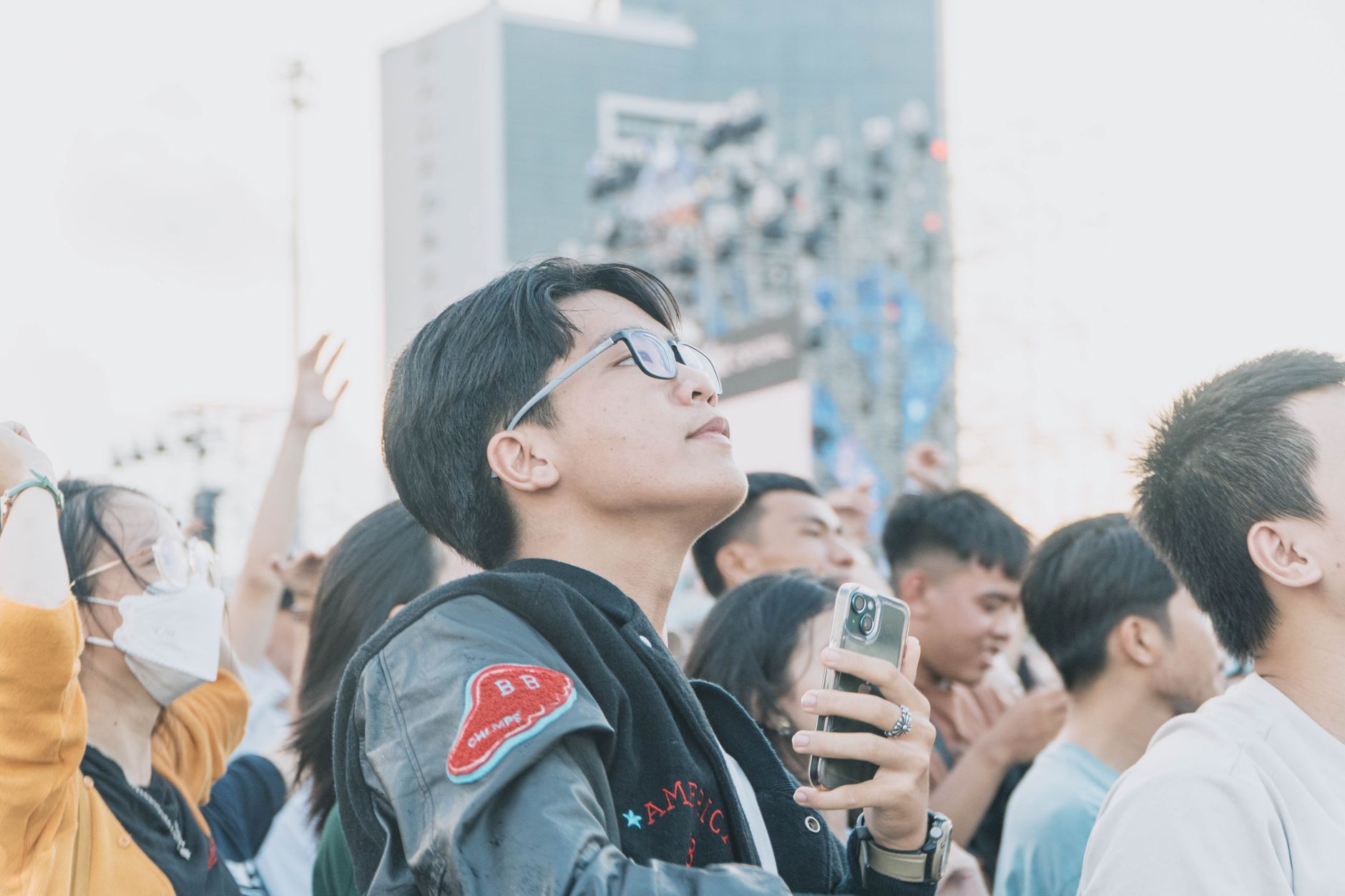
The live music economy is exploding in unexpected ways this summer. While stadium tours from legacy acts dominate headlines, a quieter revolution is happening in 500-cap rooms across the country—Gen Z audiences are spending 23% more on intimate live experiences than pre-pandemic levels, according to Pollstar’s mid-2026 data. That surge has created a talent vacuum: there simply aren’t enough skilled promoters to meet demand in secondary and tertiary markets. If you’ve ever watched a packed room lose their minds to an artist you discovered first, you already understand the rush. Here’s how to become a concert promoter who actually gets paid for that instinct.
Start With One Room and One Show
Every working promoter has a war story about their first event. Mine involved a local punk band, a borrowed PA system, and a venue owner who took 40% of the door because I didn’t know what “versus net” meant. You don’t need a business degree or industry connections to start—you need one viable show concept and the willingness to lose a small amount of money learning.
Pick your market’s most reliable small venue (100-300 capacity). Research their rental rates, in-house costs, and typical guarantees for local headliners. Your first promotion should operate on a simple formula: guarantee + venue costs + $500 contingency = your break-even point. Price tickets at 1.5x that number divided by expected attendance. If the math doesn’t work, pick a different artist or a cheaper room.
The critical mistake first-timers make? Trying to “promote” through social media posts alone. In 2026, effective grassroots promotion means direct community infiltration: Discord servers for local music fans, college radio station partnerships, and physically flyering at complementary events. Budget 20% of your total show budget for promotion specifically—not “whatever’s left.”
Build Your Financial Literacy Before Your Brand
Concert promotion is fundamentally a cash-flow business, not a creative one. The glamorous Instagram version hides the reality: you’re often floating $15,000-$50,000 in deposits before selling a single ticket. Understanding how to become a concert promoter means accepting that your financial infrastructure matters more than your taste in music.
Open a dedicated business account immediately. Establish relationships with two payment processors (Stripe for online, Square for door sales) because festivals and high-demand shows will crash single systems. Learn the mechanics of artist deposits (typically 50% of guarantee, due 30 days out), final payments (due day-of or within 48 hours), and merchandise splits (often 85/15 artist/promoter).
Most critically, master the settlement sheet. This single document determines whether you work again in any market. A proper settlement includes: gross ticket revenue less applicable taxes, less venue rental, less production costs, less agreed promoter profit (industry standard is 15% of gross or a flat fee, whichever is higher), with the remainder going to artist guarantee versus percentage splits. Get this wrong—pay an artist late or miscalculate their cut—and your reputation dies in that city.
Develop Your Artist Discovery System
The promoters who survive past year three share one trait: they consistently find talent 6-12 months before mainstream breakthrough. This isn’t luck—it’s systematic情报 gathering.
Your weekly rhythm should include: monitoring Spotify’s “On the Radar” and “Fresh Finds” playlists for artists with 50K-200K monthly listeners and accelerating save rates; tracking TikTok sound trends where original music is driving 10M+ views; subscribing to BBC Radio 1’s “Introducing” and SiriusXM’s “The Spectrum” for early signals; and maintaining a spreadsheet of every artist you’ve seen in a 200-cap room that sold out in under 48 hours.
When you identify potential, move fast. In 2026’s competitive landscape, offering a guarantee 4-6 months ahead often beats a bigger offer from a slower competitor. Build your pitch around specifics: “We sold out [similar artist] in this room in March, here’s the ticket link and press coverage.” Artists and their agents remember promoters who prove they can develop careers, not just extract value from existing ones.
Scale Through Strategic Partnerships, Not Ego
The solo promoter myth dies hard. Reality: sustainable growth requires shared risk and complementary skills. The standard partnership structure pairs a talent buyer (you, with artist relationships and taste) with a production/operations partner (someone who understands load-ins, union regulations, and insurance certificates) and often a marketing specialist.
When you’re ready for larger rooms (500+ capacity), consider co-promotion deals with established regional promoters. These typically split profit 60/40 or 50/50, with the larger partner providing venue relationships, local sponsor connections, and reduced insurance rates through their existing policies. You sacrifice margin for survival—75% of something beats 100% of a bankruptcy.
The 2026 landscape offers new partnership models too. Several artist-friendly investment collectives now fund emerging promoters in exchange for 10-15% equity in their companies, not individual shows. This provides operating capital without the crushing personal guarantees that traditionally destroyed young promoters.
Navigate the Regulatory and Insurance Maze
Post-Astroworld, the liability environment has intensified dramatically. General liability coverage for a 1,000-cap show now runs $3,000-$8,000 per event depending on crowd control history and artist genre. Some insurers now require certified crowd management professionals for any standing-room configuration over 500 people.
Before promoting your first show, obtain: general liability ($1M per occurrence/$2M aggregate minimum), liquor liability if alcohol is served, event cancellation coverage for guarantees over $10,000, and workers’ compensation if you employ anyone directly. Many venues will list you as “additionally insured” on their policies for a fee—negotiate this aggressively for early shows.
Equally important: understand local entertainment permits, noise ordinances, and curfew restrictions. A 2026 trend in mid-sized cities is “promoter licensing” requirements that mandate background checks and financial bonding. Denver, Austin, and Nashville have implemented variations; check your market’s regulations before announcing any date.
Conclusion: Your First Check Won’t Be Glamorous
Learning how to become a concert promoter means embracing incremental progress. Your first profitable show might net $800. Your first year might involve 12 shows with two genuine successes, six break-evens, and four losses that teach you more than any book. The promoters who build decades-long careers share a pattern: they survive long enough to develop pattern recognition, understanding which rooms work for which genres, which agents negotiate in good faith, and which local media actually moves tickets.
Start this month. Identify one artist with 75,000 Spotify listeners who hasn’t played your city in 18 months. Call every venue under 300 capacity until someone returns your email. Run the math conservatively. Promote harder than you think necessary. Settle honestly and promptly. Repeat. The live music industry doesn’t need more dreamers—it needs more promoters who treat this as a craft worth mastering.
Like what you're reading?
Check out our recommended partner for this niche.
Novem Astra Global Media →