
How Music Venues Make Money From Bar Sales: The Real Profit Engine Behind Live Shows
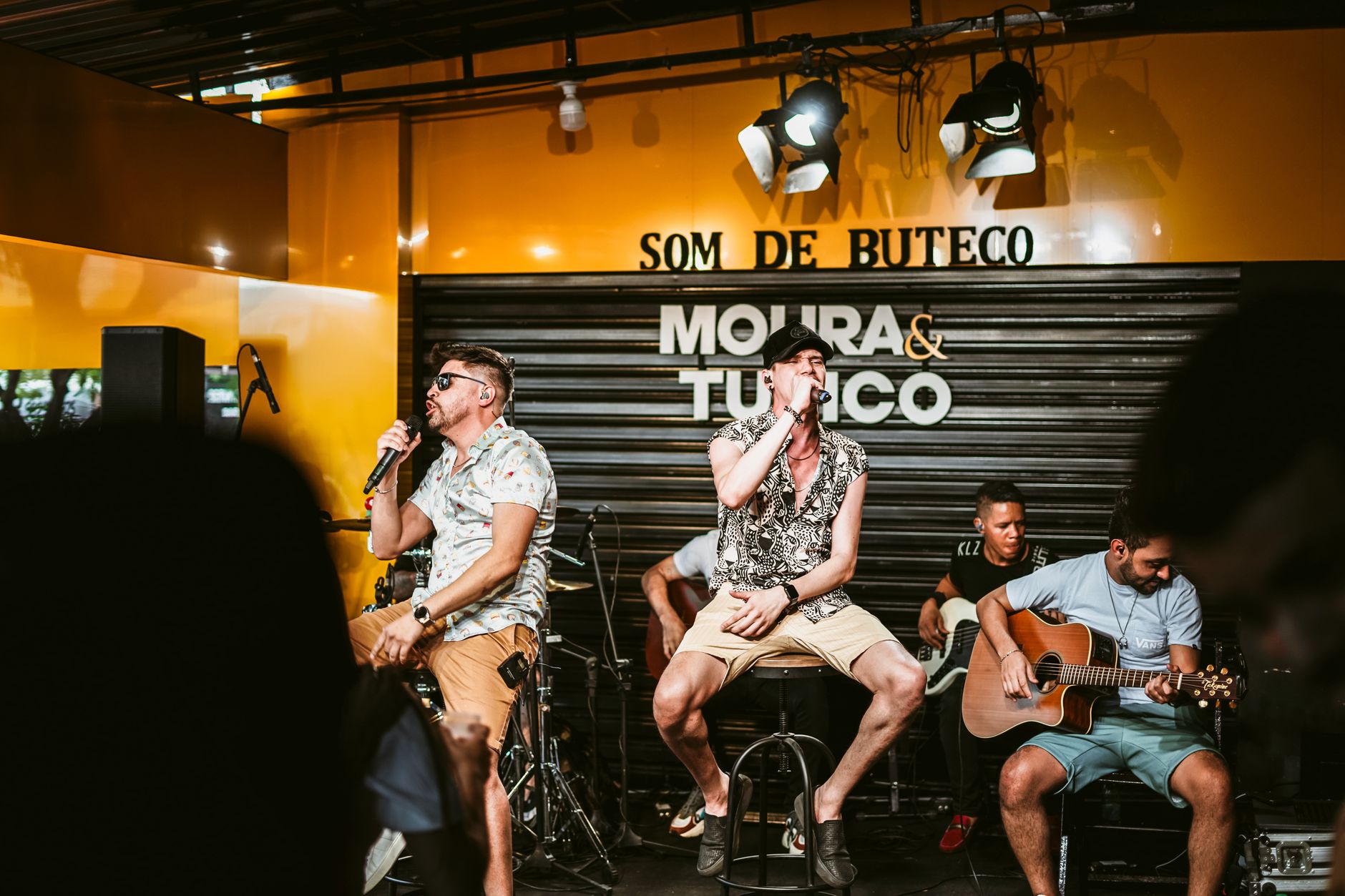
With festival season winding down and independent venues facing another brutal winter of rising utility costs and insurance premiums, the difference between a club that survives 2026 and one that closes its doors often comes down to one thing: the bar. While fans obsess over ticket prices and artists fight for fair guarantees, venue owners know the real money flows from liquor sales. Understanding how music venues make money from bar sales isn’t just industry trivia—it’s the survival playbook for an entire ecosystem of live music.
The Math That Makes or Breaks a Venue
Here’s the reality most concertgoers never consider: many venues operate at a loss on ticket sales alone. A 500-capacity room might pay an emerging artist $2,000-$5,000 for a Thursday night slot, plus sound engineer, security, and door staff. After Ticketmaster fees or independent processing costs, the venue might clear $1,500-$3,000 from admissions. That barely covers fixed costs.
The bar is where profit lives. Industry data from 2025-2026 shows successful music venues typically generate 60-80% of total revenue from alcohol sales, with food contributing another 10-15% where kitchens exist. A well-run bar operation can deliver 70-85% gross margins on liquor, compared to the thin or negative margins on tickets.
The breakdown is straightforward but brutal:
- Well liquor: $6-8 per drink, costing the venue $0.75-$1.25 in product
- Premium cocktails: $14-18, with $2.50-$4.00 in ingredients
- Draft beer: $7-9, costing $1.00-$1.50 per pour
- Wine by glass: $10-14, with $2.00-$3.50 in wholesale cost
A packed show moving 300 drinks across four hours generates roughly $2,400-$4,000 in revenue against $400-$800 in product cost. That’s the operating profit that keeps lights on during slow months.
Strategic Pricing: The Dynamic Model
Smart venues don’t use static pricing. How music venues make money from bar sales in 2026 increasingly involves dynamic, event-specific strategies borrowed from ticketing itself.
Tiered pricing by demand: A sold-out indie rock show with a younger, cash-strapped crowd might see $7 beers and $9 cocktails. A private corporate event or established jazz residency? $14 craft cocktails and $12 premium wine pours. The same physical bar, different revenue per patron.
Pre-show and intermission pushes: The 30-45 minutes before headliners hit stage represents peak purchasing urgency. Venues that train bartenders to work both sides of the bar, pre-batch popular cocktails, and position fast-moving options at multiple points capture 40-60% of nightly drink revenue in this window.
Minimum spend integrations: More venues are experimenting with ticket-plus-drink packages—$35 admission including two drinks, or table reservations with bottle service minimums. This guarantees per-head revenue regardless of actual consumption patterns.
Speed and Psychology: The Hidden Multipliers
Bar profitability isn’t just about markup—it’s about throughput. A bartender who serves 50 customers per hour versus 25 effectively doubles revenue potential without increasing labor costs.
The physical layout matters enormously:
- Bar placement relative to stage: Too close and sightlines suffer; too far and patrons skip second rounds. The optimal configuration keeps the bar accessible without pulling focus from performance.
- Mobile POS systems: Handheld card readers at crowd edges, near restrooms, and in merch-adjacent areas capture incremental sales from customers who won’t queue at the main bar.
- Visual merchandising: Backlit bottles, signature cocktail displays, and “staff picks” boards drive premium selections over well drinks, lifting average transaction values 15-25%.
Psychological triggers work too. “Last call” announcements 30 minutes before set end—rather than immediately after—create urgency purchases. Limited “artist-themed” cocktails (the “Taylor’s Tequila Sunrise” or “Kendrick’s Kold Brew”) command $2-4 premiums through perceived exclusivity.
The Non-Drinking Revenue Problem
Here’s where 2026 venues face genuine headwinds: Gen Z and younger millennials drink less. Industry surveys show 35-40% of under-30 concert attendees abstain from alcohol entirely, with another 20-30% limiting to one drink. A venue that built its model on four-drink-per-head averages now sees two-drink reality.
Adaptive venues are responding with:
- Premium non-alcoholic programs: $6-8 craft mocktails with actual ingredients and preparation, not soda gun Sprite. Seedlip, Ritual, and house-made shrubs deliver margins comparable to well drinks.
- Bottled water as profit center: $5-6 branded or “local spring” options versus free tap water. Environmental concerns make this tricky—successful venues use aluminum bottles or partner with refillable programs.
- Merchandise and experiential upgrades: VIP “meet the sound engineer” add-ons, limited vinyl pressings, photo opportunities. These capture spend from sober attendees who still want to commemorate the night.
The venues thriving in 2026 treat the bar as one revenue pillar among several, not the sole support structure.
Cost Control: Where Profit Leaks Away
Revenue means nothing if costs hemorrhage. The most common profit killers in venue bar operations:
Overpouring and theft: Unmeasured “four-count” pours vary wildly by bartender. Precision pour spouts, scale-verified cocktails, and regular inventory reconciliation (comparing POS sales to physical depletion) catch discrepancies early. Some venues now use automated dispensing systems for high-volume wells, controversial among purists but effective for consistency.
Poor supplier negotiations: Venues locked into single distributor agreements—common in states with franchise laws—often pay 15-20% above competitive pricing. Consolidated purchasing across multiple venue properties, or joining independent buyer cooperatives, recovers margin.
Labor misallocation: Three bartenders for a 200-person show is overkill; one for 400 is catastrophic under-service. Modern venues use historical sales data by artist genre, day of week, and ticket velocity to schedule precisely. Some are experimenting with predictive staffing apps that integrate ticket sales, social sentiment, and even weather forecasts.
Waste and spoilage: Keg beer goes flat; opened wine oxidizes; citrus juices deteriorate. Rotating inventory, conservative opening procedures, and repurposing ingredients across multiple cocktails minimizes write-offs.
The 2026 Landscape: Adaptation or Extinction
Looking at venue closures and openings through 2025-2026, a clear pattern emerges. Surviving rooms have diversified revenue streams while maintaining bar excellence. Failed venues often relied on outdated assumptions about audience drinking behavior or refused to invest in speed and training.
The independent venues winning right now—places like Brooklyn’s new 1,200-capacity multi-room complex or Austin’s reopened historic ballroom—share common traits: multiple bar locations, robust NA programs, tech-enabled ordering, and staff who understand they’re selling experience as much as alcohol.
How music venues make money from bar sales has evolved from simple markup arithmetic to sophisticated operational strategy. The fundamentals remain—buy low, sell high, move fast—but execution now demands data literacy, demographic awareness, and genuine hospitality mindset.
For venue operators, promoters considering vertical integration, or artists negotiating guarantees with performance-based bonuses tied to bar sales, understanding these mechanics isn’t optional. It’s the difference between a sustainable live music ecosystem and one where every show becomes a financial gamble.
The next time you’re at a show, watch the bar. Count the staff. Notice the layout. That choreography of commerce, hidden in plain sight, is what keeps your favorite room alive to host tomorrow’s artist.
Like what you're reading?
Check out our recommended partner for this niche.
Novem Astra Global Media →