
How Music Supervisors Find Songs for TV Shows: Inside the Sync Economy of 2026
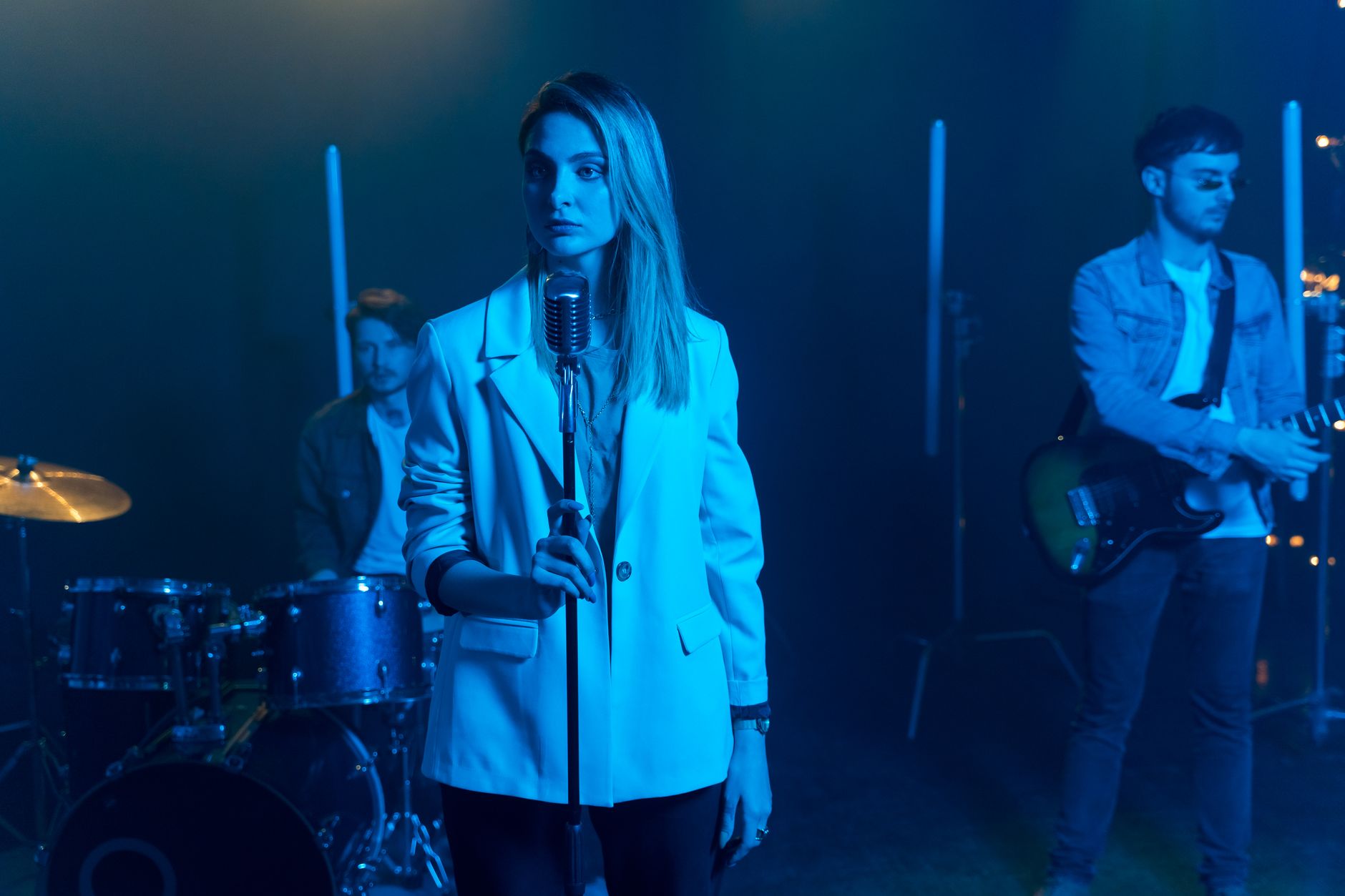
With fall 2026 television schedules packed with prestige dramas, Gen Z-targeted streaming originals, and the unexpected resurgence of network musical episodes, one behind-the-scenes role has never been more visible: the music supervisor. When The Bear won its third Emmy for music supervision last year, it wasn’t just celebrating a single show—it was spotlighting an entire economy. If you’ve ever wondered how music supervisors find songs for TV shows while scrolling through credits or Shazaming a scene, you’re asking about one of the most competitive, rapidly evolving corners of the entertainment business.
The Reality of the Modern Music Supervisor’s Inbox
Today’s music supervisor typically receives between 200 and 500 submissions weekly for active projects. That’s not hyperbole—it’s the reason most supervisors now employ dedicated assistants or use automated filtering systems before they personally hear a single track.
The volume explosion started around 2020 when pandemic-era production delays created backup, but it never slowed. In 2026, with more streaming platforms commissioning original content than ever (including newer entrants like the revamped Max and the sports-entertainment hybrid platform from Amazon), supervisors are juggling multiple shows simultaneously while fielding pitches from major labels, indie aggregators, production music libraries, and artists sliding into their DMs.
The first cut happens in seconds. A supervisor might skip a track based on metadata alone—wrong BPM, incorrect mood tagging, or missing instrumental version. Getting past this gate means understanding how supervisors actually organize their workflows, not just how catchy your chorus is.
The Three Primary Channels Supervisors Actually Use
Despite the mythology of the “discovered on SoundCloud” moment, how music supervisors find songs for TV shows follows three predictable, trackable channels in 2026:
Direct relationships with sync agents and publishers. The majority of high-profile placements still come through established middlemen. Companies like Secret Road, Lip Sync, and the newer AI-assisted platform Songtradr (which acquired multiple traditional agencies in 2024-2025) maintain direct supervisor relationships. These agents curate pitches to match specific briefs—often with exclusivity windows—and handle the licensing negotiation that supervisors lack time to manage personally.
Production music libraries and custom scoring houses. For background cues, montage sequences, and anything needing immediate clearance, supervisors lean heavily on libraries like Epidemic Sound, Artlist, and Universal Production Music. The 2026 twist: many supervisors now use AI-powered library search tools that analyze scene scripts or rough cuts to suggest tracks by emotional arc, not just genre keywords. A supervisor might upload a scene description reading “character drives through desert at dusk, ambiguous ending” and receive algorithmic suggestions ranked by past placement similarity.
Direct artist pitching through specialized platforms. The democratization channel. Services like Musicbed, Marmoset, and the supervisor-curated platform Crucial (relaunched in 2025 with verification requirements) allow independent artists to submit to active briefs. The key difference from cold-emailing: these platforms enforce metadata standards, pre-clear master and publishing rights, and filter for production quality. Supervisors use them for specific “needle in haystack” searches—say, a 1970s Turkish psych-funk track with cleared samples, or an original song that sounds like Phoebe Bridgers but costs 10% of her licensing fee.
The Brief: How Supervisors Define What They Actually Need
Understanding how music supervisors find songs for TV shows requires decoding the brief—that document governing every search. In 2026, briefs have evolved from vague creative direction to precise technical specifications.
A typical brief for a streaming drama episode might include: scene duration (2:47), emotional beats (tension building to false relief at 1:30, crash at 2:10), lyrical restrictions (no explicit references to death, must avoid “blue” imagery due to character association), and budget tier ($15,000-25,000 all-in for worldwide streaming, 3-year term). The supervisor then translates this into search parameters.
The “temp love” problem remains the biggest wildcard. Directors and editors often cut scenes to placeholder tracks—frequently famous, expensive songs the production can’t afford. The supervisor’s job becomes finding “soundalikes” or negotiating down from impossible starting points. In 2026, some supervisors are using AI stem separation and style-transfer tools to demonstrate alternatives to directors faster, though this remains controversial among traditionalists.
Budget transparency has improved marginally. Where supervisors once operated in opaque “don’t ask, don’t tell” territory regarding what artists were paid, the 2025-2026 push for industry standardization—led by the Guild of Music Supervisors and supported by the SAG-AFTRA solidarity movements—has produced more consistent tier structures. A background instrumental cue in a streaming series might now pay $2,000-5,000; a featured vocal placement in a season finale could command $50,000-150,000 depending on the platform’s subscriber base and territory rights.
The Human Element: Why Relationships Still Trump Algorithms
For all the technological advancement in 2026, music supervision remains stubbornly relationship-driven. Supervisors attend the same festivals—Sundance, SXSW, TIFF’s industry music days—and maintain Slack channels with trusted curators. When a supervisor needs something genuinely unusual—a period-accurate 1920s jazz recording with restorable audio, or a song in a specific endangered language—they’re calling people, not databases.
The most successful pitches in 2026 share common traits that technology can’t replicate:
-
Contextual awareness. Artists who reference specific scenes or character arcs in their pitch, proving they’ve watched the show, get disproportionate attention. Generic “perfect for any project” submissions go straight to archive.
-
Rights clarity upfront. With the complexity of 2026’s global streaming rights (different platforms holding different territorial licenses for the same show), supervisors need clean chains of title. Artists who can immediately confirm they control 100% of publishing and master rights, or clearly identify co-writer splits, move faster through the process.
-
Version flexibility. The 2026 standard deliverable includes: full mix, instrumental, TV track (no lead vocal, keep backgrounds), stems for dialogue mixing, and 30-second/60-second edit-friendly cuts. Artists who provide these without being asked signal professionalism that supervisors remember.
Several supervisors have begun hosting “office hours” or brief feedback sessions on platforms like Discord or through the Music Supervisors Guild’s mentorship program—rare windows where artists can learn why their submissions failed without the usual silence.
What This Means for Artists and Industry Observers
If you’re an artist trying to place music, the 2026 landscape rewards specialization over shotgun pitching. Supervisors maintain mental databases: “this person has great atmospheric instrumentals for sci-fi,” “this catalog has cleared 1960s soul samples.” You want to be memorable for specificity, not volume.
For viewers and industry watchers, understanding how music supervisors find songs for TV shows demystifies why certain moments hit so hard—and why others feel like algorithmic afterthoughts. The next time a series finale uses a perfectly unexpected song choice, remember: it likely passed through multiple filtering systems, survived budget negotiations, and represented someone’s cultivated relationship paying off in a 30-second window of emotional precision.
The sync economy will keep evolving—AI-generated reference tracks, blockchain-based rights clearing, and whatever platform launches next month—but the core challenge remains human. Matching sound to story requires taste, trust, and the relentless logistics of making legal, financial, and creative elements align. That’s the job, and in 2026’s content-saturated landscape, it’s only getting more essential.
Like what you're reading?
Check out our recommended partner for this niche.
Novem Astra Global Media →