
How Music Festivals Choose Headliners: The Real Booking Process Behind Your Favorite Lineups
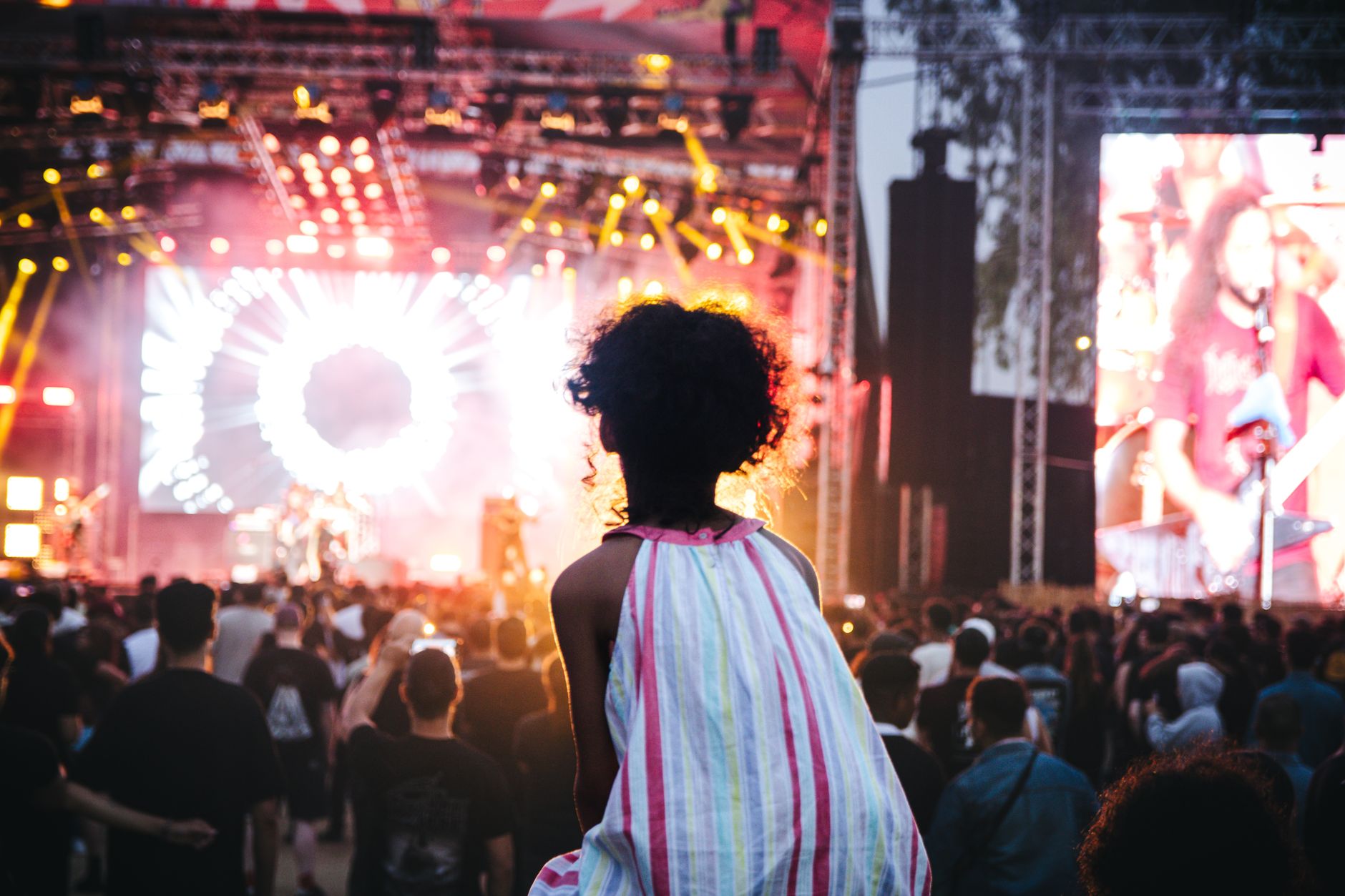
With Coachella 2026’s lineup dropping in January and Lollapalooza’s South American expansion dominating industry chatter this month, festival season is already consuming the live music business. But here’s what most fans never consider: that blockbuster poster you screenshot and debate for weeks? It’s the result of an 8-to-14-month chess match involving millions in guarantees, brutal radius clauses, and algorithmic audience matching that would make Netflix’s recommendation engine jealous.
Understanding how music festivals choose headliners reveals the hidden machinery of modern live entertainment — and explains why your dream bill rarely matches reality.
The Booking Timeline Starts Earlier Than You Think
By the time you see a lineup announcement, the headliner contracts were likely signed 9-12 months prior. For major festivals, initial conversations begin 14-18 months out.
Here’s the typical progression:
- Month -18 to -14: Festival directors create “dream lists” based on album cycles, touring schedules, and artist availability windows
- Month -14 to -10: Agents receive “holds” — informal requests that lock artists into exclusive negotiation periods for specific dates
- Month -10 to -6: Hard offers go out with guaranteed fees, often ranging from $500K to $5M+ for top-tier acts
- Month -6 to -3: Contracts finalize, including radius clauses that prevent artists from performing within 100-300 miles for 60-90 days before and after the festival
The 2026 season has intensified this timeline. With artists like Chappell Roan and Sabrina Carpenter commanding festival fees that jumped 400% post-breakout, organizers now pre-book emerging acts earlier, gambling on trajectory rather than proven draw.
The Data-Driven Shortlist Nobody Talks About
Gut instinct still matters, but 2026 festival programming increasingly relies on proprietary analytics. Promoters now blend multiple data streams to predict who will actually sell tickets:
Streaming velocity — not total monthly listeners, but week-over-week growth spikes Social engagement rates — particularly TikTok conversion to ticket purchases Geographic heat maps — where an artist’s fanbase clusters relative to the festival location Historical ticket sales — from the artist’s own tours and previous festival appearances
Goldenvoice (Coachella’s parent company) and Live Nation’s festival division both employ dedicated data science teams. These analysts model “attendance contribution” — estimating how many unique ticket buyers each potential headliner would attract.
The brutal truth? An artist with 10 million monthly Spotify listeners might lose a headliner slot to someone with 3 million listeners if the data shows stronger purchase intent among the smaller fanbase.
Radius Clauses: The Secret Weapon That Reshapes Touring
Radius clauses represent the most powerful yet least understood tool in festival booking. These contractual restrictions — typically 100-300 miles for 60-90 days surrounding the event — effectively monopolize regional live music markets.
For headliners, this creates cascading effects:
- An artist playing Bonnaroo in June cannot legally perform in Nashville, Atlanta, or Memphis during April, May, June, or July
- This forces artists to structure entire touring cycles around festival commitments
- Agents negotiate “radius clause carve-outs” for major market arena shows, often paying festivals penalties of $50K-$200K per exempted date
The 2026 landscape has seen radius clause expansion. With festivals increasingly buying multi-year artist commitments, some contracts now restrict all North American live appearances outside the festival for entire seasons. This consolidation — criticized by the Department of Justice in ongoing Live Nation antitrust scrutiny — makes festival slots scarcer and more valuable.
The “Co-Headliner” Math and Billing Order Battles
When festivals announce “co-headliners,” the poster positioning reveals intense negotiation. Every element carries contractual weight:
- Line height — whose name appears larger
- Left-right positioning — on multi-day posters, left typically outranks right
- Day placement — Friday vs. Saturday vs. Sunday carries different perceived prestige
- Set time length — 75 minutes vs. 90 minutes vs. 120 minutes
In 2025, Olivia Rodrigo and Foo Fighters’ co-headlining arrangement at a major festival reportedly required 12 contract revisions over billing specifics. The final agreement specified exact font point sizes, social media announcement sequencing, and even whose press photo appeared first in the official lineup reveal.
These details matter because agents use them as comparables for future negotiations. A “second-billed” placement becomes ammunition in the next festival’s talks.
Why Your Predictions Are Usually Wrong
Fan speculation consistently misses because it ignores the business constraints. Consider what actually eliminates candidates:
Touring conflicts: Artists with album cycles already committed to their own arena tours can’t accept festival guarantees without breaching existing promoter contracts
Exclusivity agreements: Some artists sign multi-festival deals with specific promoters — Live Nation’s “On The Run” touring structure, for example, prioritizes their own festival properties
Production limitations: The Rolling Stones’ stage requirements exceed what most festival grounds can accommodate; Kanye West’s 2024 “floating stage” concept required 6-week venue modifications
Insurance and liability: Artists with recent cancellations or health issues face higher bonding requirements, sometimes making them uninsurable at standard festival budgets
The 2026 season has added new variables: extreme weather contingency planning now requires backup indoor venue holds, and artists with histories of last-minute cancellations (even for legitimate medical reasons) face tougher contract terms.
What This Means for Independent Artists and Smaller Festivals
The headliner selection process increasingly stratifies the festival ecosystem. Mega-festivals (Coachella, Glastonbury, Tomorrowland) compete for the same 20-30 artists, while mid-tier festivals must get creative.
Smart strategies emerging in 2026:
- Genre clustering: Niche festivals (Afro Nation, Bass Canyon) building identity around specific communities rather than chasing mainstream headliners
- Regional exclusivity: Smaller festivals negotiating state-level or provincial exclusivity rather than radius clauses, accepting lower-tier artists in exchange for true monopoly
- Album cycle alignment: Programming around anticipated releases, securing artists 3-6 months before commercial peak
- Cross-promotional equity: Trading headliner slots across multiple promoter-owned festivals, creating “touring circuits” for mid-tier acts
For emerging artists, the path to headliner status now requires deliberate festival strategy. Agents increasingly pitch “festival-ready” packages — complete production riders, proven 45-minute sets, and social media activation plans — rather than just musical talent.
The Bottom Line
How music festivals choose headliners in 2026 reflects an industry transformed by data consolidation, contractual complexity, and scarcity economics. The romantic notion of curators discovering underground talent and elevating them to main stage glory persists in marketing narratives, but the reality involves spreadsheets, lawyers, and predictive modeling.
For fans, this means your lineup complaints (“why isn’t [artist] playing?”) often target the wrong institution. The constraints are structural, not aesthetic. For industry professionals, it means festival programming has become its own specialized discipline — part data science, part contract negotiation, part weather forecasting.
As September’s early 2027 holds begin circulating among agents, the cycle restarts. The headliners you haven’t even imagined yet are already being priced, positioned, and negotiated into the posters you’ll debate next spring.
Like what you're reading?
Check out our recommended partner for this niche.
Novem Astra Global Media →