
How Concert Venues Reduce Noise Complaints: The 2026 Playbook for Keeping Shows Alive
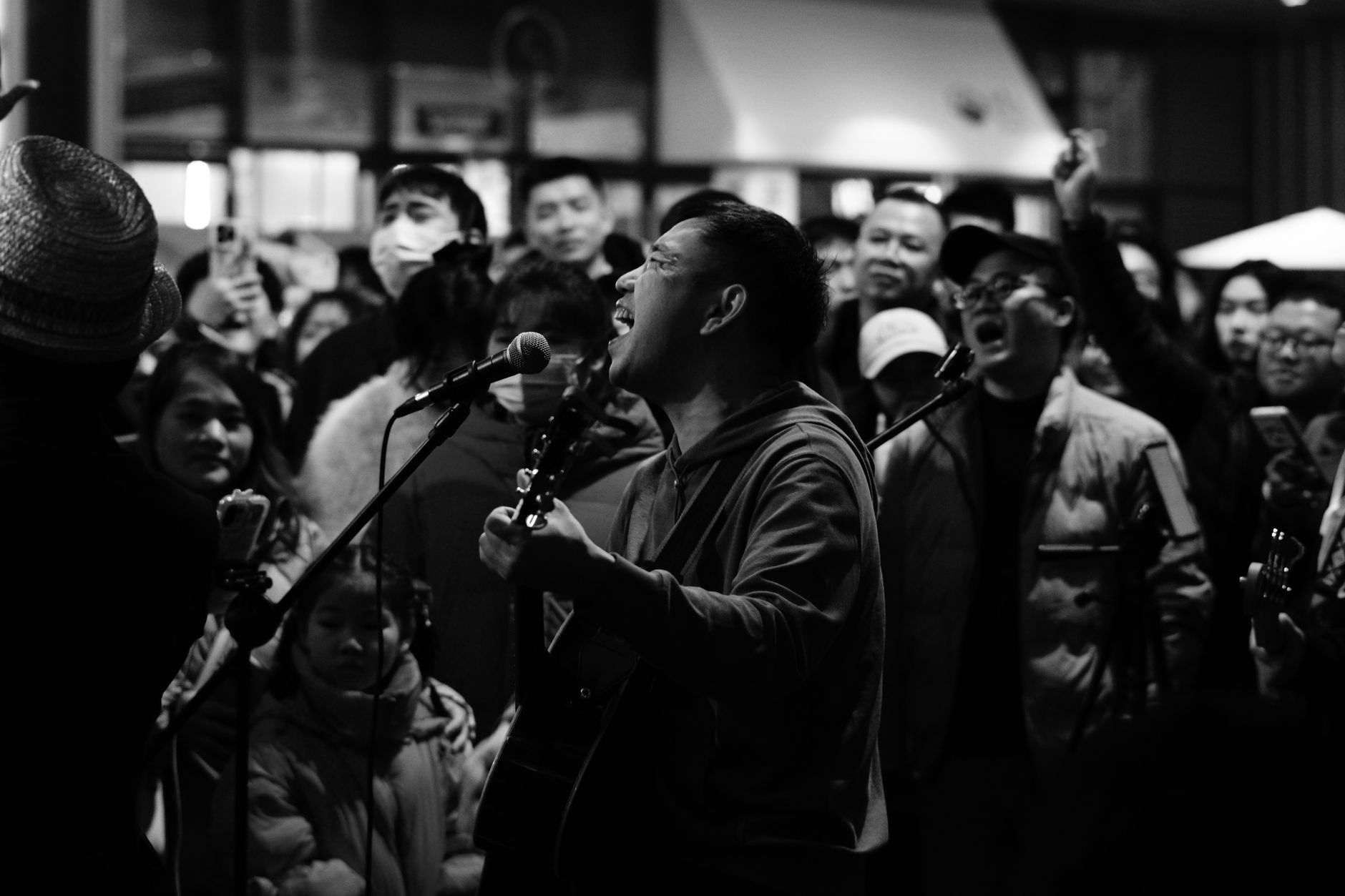
With festival season peaking this September and outdoor amphitheaters packing in record crowds, concert venues are facing a paradox: audiences want louder, more immersive experiences, while surrounding neighborhoods have less patience than ever for bleeding bass lines and midnight exit chaos. Just last month, Red Rocks Amphitheatre outside Denver narrowly avoided a proposed 10:30 PM hard curfew after months of tense negotiations with Jefferson County residents—a case study that’s now being dissected by venue operators nationwide.
If you’re running a concert venue, large or small, you already know the stakes. One sustained noise complaint can trigger permit reviews, insurance headaches, or outright shutdown threats. The venues that survive and thrive aren’t just crossing their fingers and hoping for quiet neighbors. They’re deploying sophisticated, multi-layered strategies. Here’s how concert venues reduce noise complaints in 2026—and how you can adapt these tactics before the next show.
Understanding the New Regulatory Landscape
Noise ordinances have tightened dramatically in the past two years. Cities like Austin, Nashville, and Atlanta have all revised their sound-level regulations, with some implementing real-time monitoring requirements and automatic penalty structures. The old “turn it down when someone calls” approach is dead.
Smart venues are getting ahead of this by investing in continuous decibel monitoring systems that log data every second of every show. Companies like dBcontrol and NoiseNet now offer cloud-based platforms that not only track sound levels at multiple perimeter points but also generate automated compliance reports for city officials. This transparency builds trust—and more importantly, it gives venues hard data to dispute frivolous complaints.
The key numbers to know: most municipalities now enforce 55 dB at residential property lines during evening hours, with some dropping to 50 dB after 10 PM. For context, a normal conversation runs about 60 dB. Hitting 55 dB with a rock show happening 200 feet away requires serious acoustic engineering, not just polite stage announcements.
Architectural and Physical Sound Barriers
The most effective venues treat noise management as a design problem, not an operational one. And the solutions are getting more creative than simple concrete walls.
Directional speaker arrays have revolutionized outdoor sound. Modern line-array systems from manufacturers like L-Acoustics and d&b audiotechnik can focus sound energy downward and inward, dramatically reducing spill beyond the audience area. The latest K3 systems, deployed at venues like Brooklyn’s Prospect Park Bandshell, achieve up to 12 dB reduction at 100 feet off-axis compared to traditional point-source speakers. That’s the difference between a clear violation and ambient background level.
For permanent installations, acoustic fencing has evolved far beyond plywood barriers. Today’s solutions include:
- Resonant panel walls tuned to absorb low-frequency energy (the bass that travels farthest and penetrates walls)
- Earth berm constructions that blend into landscaping while providing mass-law sound blocking
- Modular barrier systems with NRC (Noise Reduction Coefficient) ratings above 0.85, deployable for temporary events
The Hollywood Bowl in Los Angeles spent $4.2 million on its 2024 acoustic retrofit, adding a combination of underground bass traps and redesigned shell reflectors. Result? Complaints from surrounding hillside homes dropped 67% in the first season, even with comparable attendance and artist volume levels.
The Community Partnership Playbook
Technology alone won’t save you if neighbors feel disrespected. The venues with the cleanest complaint records are investing in genuine community integration, not just PR spin.
Chicago’s Empty Bottle, a 300-capacity room in a rapidly gentrifying neighborhood, pioneered a “noise ambassador” program in 2024. They hired two part-time staffers who live in the surrounding blocks, attend community meetings, and serve as direct liaisons for concerns. Complaints don’t go to a generic email—they go to someone who shares a zip code. The program cost $28,000 annually and reduced formal city complaints by 82%.
Other proven community strategies include:
- Pre-show notification systems: Text or email alerts to registered neighbors with set times, not just “there’s a show tonight”
- Complimentary ticket pools: Offering free passes to immediate neighbors, turning potential adversaries into invested participants
- Post-show “quiet zones”: Managing artist load-out, bus idling, and crowd dispersal with the same rigor as the performance itself
The 9:30 Club in Washington D.C. went further, establishing a community advisory board with quarterly meetings and actual veto power over certain operational decisions. That level of shared governance isn’t for every venue, but it’s eliminated the adversarial dynamic that escalates minor annoyances into legal battles.
Smart Scheduling and Artist Education
Not every solution requires capital expenditure. Some of the most effective noise reduction happens in the booking office and on the artist rider.
Progressive venues are now negotiating sound curfews directly with artists as contract terms, not just venue policies. This shifts the burden: artists and their production teams become co-invested in compliance, rather than treating venue staff as the “fun police.” Major acts including Phish and The National have publicly embraced these clauses, recognizing that venue longevity benefits their touring ecosystem.
Scheduling intelligence matters too. The same show on a Tuesday generates exponentially more complaints than on a Saturday. Some venues are using dynamic curfew pricing—offering artists slightly better guarantees for Friday/Saturday slots in exchange for stricter weekday limits. Others are building “acoustic-friendly” programming: seated shows, singer-songwriter bills, or jazz programming specifically for Sunday-Wednesday slots in sensitive locations.
Load-in and load-out noise often exceeds performance levels. Venues are addressing this with:
- Electric vehicle mandates for tour buses and trucks where infrastructure allows
- Enclosed dock areas with acoustic treatment for gear loading
- Staggered departure protocols that prevent 500 cars from hitting residential streets simultaneously
The Monitoring and Response Technology Stack
Real-time response capability separates minor incidents from escalating conflicts. The leading venues in 2026 operate integrated command centers that combine:
| System | Function | Cost Range |
|---|---|---|
| Perimeter microphone arrays | Continuous dB logging at property lines | $15K-$40K initial |
| Weather-integrated forecasting | Predicting sound propagation based on wind, temperature inversions, humidity | $3K-$8K annual subscription |
| AI-powered complaint triage | Automated classification of genuine vs. erroneous reports | $500-$2K monthly |
| Mobile sound patrol apps | Allowing roving staff to take instant readings and adjust PA remotely | $200-$500 per license |
The most sophisticated implementation is at Colorado’s Mishawaka Amphitheatre, which feeds live weather and sound data into a predictive model that automatically suggests EQ and volume adjustments to the front-of-house engineer. It’s not full automation—human judgment remains central—but it removes the guesswork from “should we turn down?” decisions.
When complaints do arrive, response speed matters. Venues using AI triage systems can verify whether a reported issue matches actual measured levels within minutes. If a neighbor calls about “intolerable bass” but perimeter mics show 48 dB, that data goes straight back to the caller with timestamped evidence. It doesn’t win friends, but it prevents complaint patterns from building false regulatory pressure.
Building a Sustainable Future for Live Music
The venues that master noise management aren’t just avoiding fines—they’re expanding their operational freedom. When you have three years of clean data and documented community support, you can negotiate later curfews, expanded capacity, or additional event dates. The investment pays dividends far beyond complaint avoidance.
How concert venues reduce noise complaints in 2026 comes down to three interconnected pillars: technological precision in sound control, structural transparency with neighbors and regulators, and creative programming that respects the realities of shared urban and suburban space. The venues treating this as a core competency, not a defensive afterthought, are the ones booking the biggest shows through 2027 and beyond.
The live music industry is already facing enough headwinds—from rising artist guarantees to insurance cost spikes. Don’t let preventable noise conflicts become the reason your stage goes dark. Start with one monitoring system, one community conversation, or one scheduling adjustment. The venues that act now will be the ones still standing when the next regulatory wave hits.
Like what you're reading?
Check out our recommended partner for this niche.
Novem Astra Global Media →