
Concert Venue Insurance Cost Breakdown: What Owners Pay in 2026
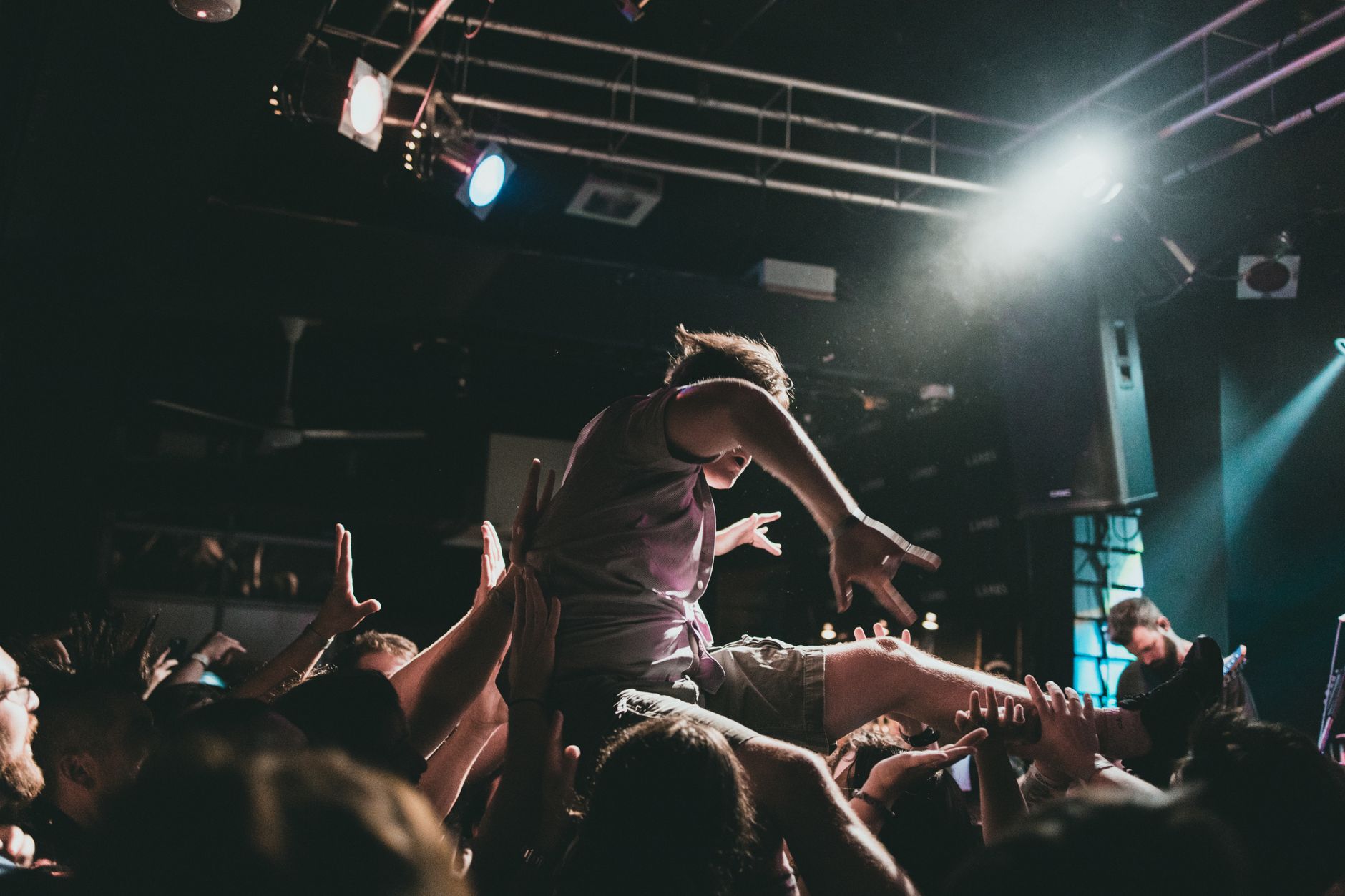
Live music is having a monster year. Stadium tours keep shattering gross records, mid-size rooms are selling out months in advance, and independent promoters are snapping up spaces faster than brokers can write policies. But here’s the part nobody posts about on Instagram: insurance premiums for live venues have climbed steadily since 2023, and plenty of owners are walking into renewals with sticker shock. If you’re opening a room, buying one, or just trying to survive your next renewal, you need a real concert venue insurance cost breakdown — not vague ranges pulled from a decade-old forum thread.
This guide walks through exactly where the money goes, what drives your premium up or down, and the moves smart operators are making in 2026 to keep coverage solid without bleeding cash.
Why Venue Insurance Costs Keep Climbing
Before the numbers, it helps to understand the pressure. Insurers price risk, and live music has gotten riskier on paper. Post-pandemic claim surges, high-profile crowd incidents, extreme weather disrupting outdoor events, and rising litigation costs have all pushed carriers to tighten underwriting. Many national carriers pulled out of entertainment entirely, leaving fewer options and higher prices for the rest.
That doesn’t mean you’re helpless. It means you need to understand the levers. A well-documented safety program, modern security protocols, and clean claims history can meaningfully change your quote. The venues paying the most are usually the ones who treat insurance as a checkbox instead of a strategy.
The Core Concert Venue Insurance Cost Breakdown
Let’s get into actual numbers. These are realistic 2026 ranges for U.S.-based venues, though your state, capacity, and event mix will shift them.
General liability is your foundation — it covers bodily injury and property damage claims from attendees. For a 300–500 capacity club hosting 100+ shows a year, expect $5,000 to $15,000 annually. Larger rooms (1,500–3,000 capacity) often pay $20,000 to $60,000+, especially if you host high-energy genres or all-ages shows.
Liquor liability is non-negotiable if you serve alcohol, and it’s often the biggest line item after general liability. Dram shop laws in most states hold venues responsible for over-serving. Budget $3,000 to $12,000 per year for smaller bars, scaling to $25,000+ for high-volume rooms where bar sales drive the business.
Property insurance covers your building, sound system, lighting rig, and furniture. A owned building with a full production setup might run $8,000 to $30,000 annually depending on construction type, fire suppression, and local crime rates. Renters can often get contents-only coverage for far less.
Workers’ compensation is legally required in nearly every state once you have employees. Rates are calculated per $100 of payroll and vary wildly by role — your sound engineer costs less to insure than your security team. Most mid-size venues pay $10,000 to $40,000 yearly.
Umbrella/excess liability adds an extra $1M–$5M layer above your base policies. Increasingly, promoters, artists, and municipalities demand it. Expect $1,500 to $7,500 per million of coverage.
Specialized add-ons round out the picture:
- Event cancellation: 1–3% of the insured show’s budget
- Terrorism coverage: often required for large-capacity or city-owned spaces
- Cyber liability: $1,000–$3,000/year if you handle ticketing data
- Equipment inland marine: covers gear that travels off-site
What Actually Moves Your Premium
Two venues with identical capacity can pay wildly different rates. Here’s what underwriters actually look at:
- Claims history: One serious incident can haunt you for 3–5 years. A clean record is your most valuable asset.
- Security and crowd management: Documented training, metal detectors, bag checks, and certified crowd managers lower perceived risk. Some carriers offer direct discounts for NCS4 or IAVM training.
- Event mix: EDM, hip-hop, and all-ages punk shows often trigger higher rates than seated jazz or corporate events. Be honest — misrepresenting your calendar can void coverage.
- Alcohol percentage: If bar sales exceed 40–50% of revenue, expect liquor liability to dominate your quote.
- Building age and safety systems: Sprinklers, fire alarms, emergency lighting, and clear egress paths all reduce property and liability costs.
- Contracts with promoters: Strong indemnification clauses and requiring promoters to carry their own insurance can shift risk off your policy.
How to Lower Your Bill Without Cutting Coverage
You can’t negotiate risk away, but you can manage it smarter. Start by bundling policies with a single carrier — package deals often save 10–15%. Raise deductibles strategically if you have cash reserves; moving from a $1,000 to $5,000 deductible can cut premiums meaningfully.
Invest in documentation. Written security plans, incident logs, staff training records, and maintenance schedules prove to underwriters that you’re a lower risk than the venue down the street. Some owners have shaved 20% off renewals simply by presenting a professional risk management binder.
Shop your policy every 2–3 years, but don’t jump carriers annually — loyalty and stability matter in entertainment insurance. Work with a broker who specializes in live events, not a generalist who also insures dentist offices. They know which carriers still write venues and which ones are quietly exiting the space.
Finally, require certificates of insurance from every promoter, vendor, and touring act that walks through your door. Their coverage should be primary, yours secondary. It’s standard practice, but plenty of independent rooms skip it and pay for it later.
The Bottom Line for Venue Operators
A realistic concert venue insurance cost breakdown for a mid-size room in 2026 lands somewhere between $30,000 and $120,000 annually, depending on size, location, and programming. That’s real money, but it’s also the cost of staying open after one bad night. The venues thriving right now aren’t the ones skipping coverage — they’re the ones treating insurance as a core part of their business model, budgeting for it early, and actively managing the risks that drive premiums up.
Review your policy before renewal season hits, document your safety practices, and build a relationship with a specialist broker. Your future self — and your balance sheet — will thank you.
Like what you're reading?
Check out our recommended partner for this niche.
Novem Astra Global Media →