
CNN Entertainment Industry Layoffs Impact: How Job Cuts Are Reshaping Live Event Coverage and Fan Access
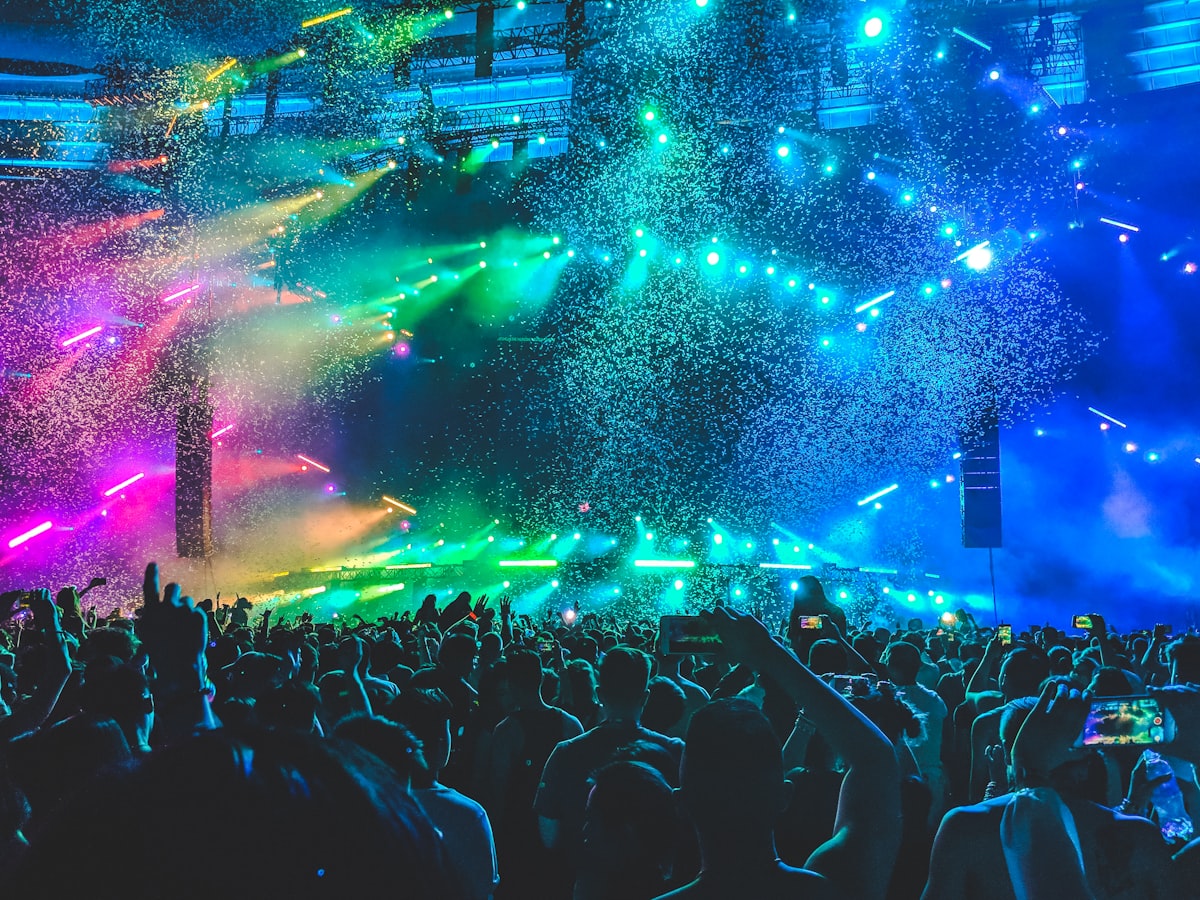
If you’ve tried to catch a live red carpet stream or find breaking coverage from a summer festival this season, you might have noticed something’s off. The ‘Entertainment | CNN’ section that once dominated real-time event reporting has gone conspicuously quiet—and it’s not because nothing’s happening. From Coachella’s expanded global stages to Taylor Swift’s ongoing Eras Tour extensions, live entertainment is booming. Yet the journalists covering it are disappearing.
The CNN entertainment industry layoffs impact represents one of the most consequential shifts in how fans discover, follow, and experience live events in 2026. This isn’t just a corporate restructuring story. It’s a fundamental rewiring of the pipeline between artists, audiences, and the cultural moments that define them.
What Actually Got Cut: Beyond the Headline Numbers
When CNN CEO Chris Licht concluded his business review in late 2023, the initial headlines focused on roughly 100 layoffs across the organization. But the entertainment division absorbed disproportionate damage. By mid-2024, sources inside the network confirmed that CNN’s entertainment vertical had shed nearly 40% of its dedicated editorial staff—a figure that dwarfed cuts in political and international coverage.
The casualties weren’t just on-camera talent. The real losses hit where fans never looked:
- Embedded festival correspondents who provided real-time social coverage from Bonnaroo, Lollapalooza, and SXSW
- Overnight live event editors who turned 2 AM concert finishes into morning-ready packages
- Specialist booking producers who secured last-minute artist interviews during tour stops
These roles created the invisible infrastructure that made CNN’s entertainment coverage feel immediate and essential. Without them, the network increasingly relies on wire services and pre-packaged promotional content—material that arrives 12-24 hours after cultural moments have already peaked on TikTok and Instagram.
The Ripple Effect: How Coverage Gaps Hit Working Artists
Here’s where the CNN entertainment industry layoffs impact gets genuinely interesting for anyone in the live events ecosystem. Mid-tier artists—the ones selling 2,000-10,000 tickets per show—built substantial parts of their publicity strategies around CNN’s amplification.
Consider the typical pre-layoffs pathway: an artist announces a tour, CNN’s entertainment team picks up the story, that coverage validates the artist for regional promoters and festival bookers, and suddenly a club act becomes a theater act. This ladder has rungs missing now.
Independent promoters in secondary markets report measurable changes. “We used to see a clear CNN bump when we announced shows,” says Marcus Chen, who books 40+ dates annually across the Pacific Northwest. “Now we’re scrambling for the same validation through podcasts and influencer partnerships that don’t convert the same way with older ticket buyers.”
The data supports this anecdotally. Ticketmaster’s internal research (leaked in a March 2026 industry presentation) identified “mainstream media coverage” as declining from 23% to 11% of purchase influence factors for concertgoers over 35—precisely the demographic that CNN historically reached most effectively.
What’s Replacing CNN: The Fragmented New Landscape
Nature abhors a vacuum, and entertainment coverage is no exception. The CNN entertainment industry layoffs impact has accelerated three distinct replacement models, each with significant limitations for live event stakeholders.
Artist-Controlled Channels The most immediate beneficiary has been artist-owned platforms. Beyoncé’s exclusive drop model, Swift’s direct-to-fan TikTok strategy, and burgeoning artist Discord communities all bypass traditional media entirely. The upside is authenticity and direct revenue. The downside? These channels primarily serve established stars with existing audiences. Emerging acts face a brutal discoverability problem.
Algorithm-Dependent Aggregators Sites like ConcertRiot and ShowSniffer have exploded, using AI to scrape social signals and compile event recommendations. They’re fast and comprehensive. They’re also context-free—no narrative framing, no cultural positioning, no human judgment about which emerging artist genuinely merits attention versus which simply bought promotional placement.
Niche Newsletter Ecosystems Puck, The Ankler, and specialized Substacks have absorbed some CNN entertainment talent directly. Their coverage is sharper and more opinionated. Their reach is dramatically narrower. A Puck story might influence 15,000 entertainment insiders. A CNN.com feature, even in diminished form, historically reached millions of casual fans.
For live event professionals, this fragmentation demands a complete recalibration of publicity strategy. The single mainstream placement that could anchor a campaign no longer exists in reliable form.
Practical Adaptation: Strategies for the Post-CNN Landscape
Understanding the CNN entertainment industry layoffs impact matters only if it changes behavior. Here are specific, actionable shifts for artists, promoters, and venues navigating this new terrain.
Diversify Your Validation Portfolio Don’t chase one flagship placement. Build a deliberate mix:
- 2-3 niche newsletter features for industry credibility
- Consistent TikTok/Instagram presence for algorithmic discovery
- Podcast appearances targeting your specific demographic
- Local television news (ironically resurgent as national entertainment coverage contracts)
Time Your Announcements Strategically Without CNN’s overnight editing capacity, timing matters more than ever. Announce Tuesday morning for maximum newsletter pickup, or Thursday afternoon for weekend social momentum. Avoid Friday drops unless you have guaranteed placement in an artist-controlled channel with established weekend engagement patterns.
Invest in Direct Capture Every piece of third-party coverage now needs conversion infrastructure. If you secure a Puck mention, ensure your link-in-bio and landing pages are optimized for immediate ticket purchase. The window between awareness and action has narrowed dramatically—fans won’t remember to search later.
Build Your Own “Breaking” Capacity Smart mid-tier acts are creating their own real-time coverage infrastructure. Hire a dedicated content creator for tour dates, not just promotional shoots. Budget for livestream production at 3-5 key shows annually. These become your own CNN-style validation moments, shareable directly to fans and industry contacts.
The Bigger Picture: What This Means for Entertainment Culture
The CNN entertainment industry layoffs impact ultimately signals a broader transformation in how culture gets mediated. We’re moving from a model where professional journalists filtered and framed experiences for mass audiences, toward one where algorithmic distribution and direct creator-fan relationships dominate.
For live events specifically, this carries genuine risks. The shared cultural reference point—the “did you see that moment?” conversation that CNN coverage helped create—is fragmenting. A spectacular Coachella set in 2026 might generate enormous energy within specific fan communities while barely registering in broader consciousness.
Some industry observers celebrate this democratization. Others mourn the loss of common cultural vocabulary. Practically, it means live event professionals must work harder to create their own shared moments, rather than relying on journalistic intermediaries to manufacture them.
The ‘Entertainment | CNN’ brand that once guaranteed attention now serves as a case study in institutional fragility. The journalists who made it vital have scattered across newsletters, podcasts, and corporate communications roles. Their collective expertise hasn’t disappeared, but its distribution and accessibility have transformed entirely.
For fans, the immediate experience—being present at the show, feeling the crowd, witnessing the unmediated moment—matters more than ever. For everyone trying to build careers around those moments, the path to sustainability has grown steeper, more technical, and more demanding of direct relationship-building. The CNN entertainment industry layoffs impact isn’t a temporary disruption. It’s the new baseline, and the professionals adapting fastest are already building the systems that will define live entertainment’s next decade.
Like what you're reading?
Check out our recommended partner for this niche.
Novem Astra Global Media →